2025 Yearly Wrap-Up: The Steel Door Design Trends That Defined the Year — and What to Expect in 2026
2025 marked a pivotal shift in how homeowners, architects and interior designers approached steel internal doors. What was once viewed as a functional divider has now become a fully integrated architectural element; a way to sculpt light, flow, privacy and character throughout a home.
At Joshua James, we’ve been fortunate to work on projects across London, Surrey and the wider UK that reflect this evolution firsthand. From the growing demand for arched designs to the rise of bronze finishes and the increasing role of E30 fire-rated doors, 2025 has been a year shaped by technical refinement and bold creative expression.
In this yearly wrap-up, we explore:
The six major steel door trends that defined 2025
The emerging movements set to dominate 2026
Three standout projects that embody the direction of contemporary interior architecture
The increasing collaboration between homeowners, architects and designers
What this means for the future of steel-framed interiors
The Defining Steel Door Trends of 2025
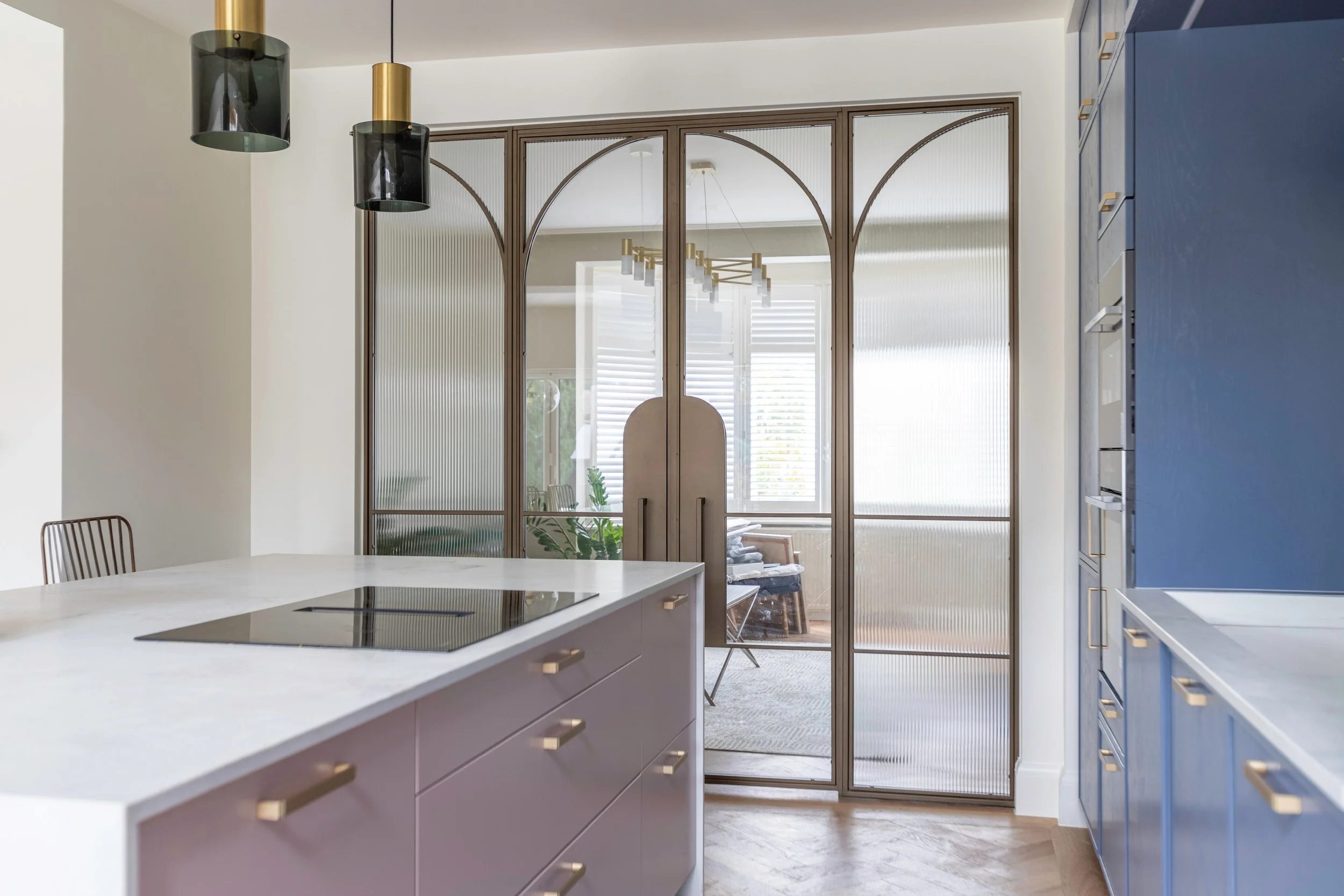
Bronze Finishes Took Centre Stage
2025 saw a noticeable shift toward warmer metallic tones, with bronze emerging as the preferred choice for many luxury homes. While black remains timeless and versatile, bronze offered something different: a softer, richer and more sophisticated presence.
Designers embraced bronze for:
Interiors with natural materials such as timber and stone
Homes wanting a luxury finish without excessive contrast
Properties seeking continuity with architectural details such as lighting, hardware or metalwork
Bronze also photographs beautifully, which made it particularly popular for influencers, designers and developers showcasing their projects on social platforms.
View our: Interior Collection
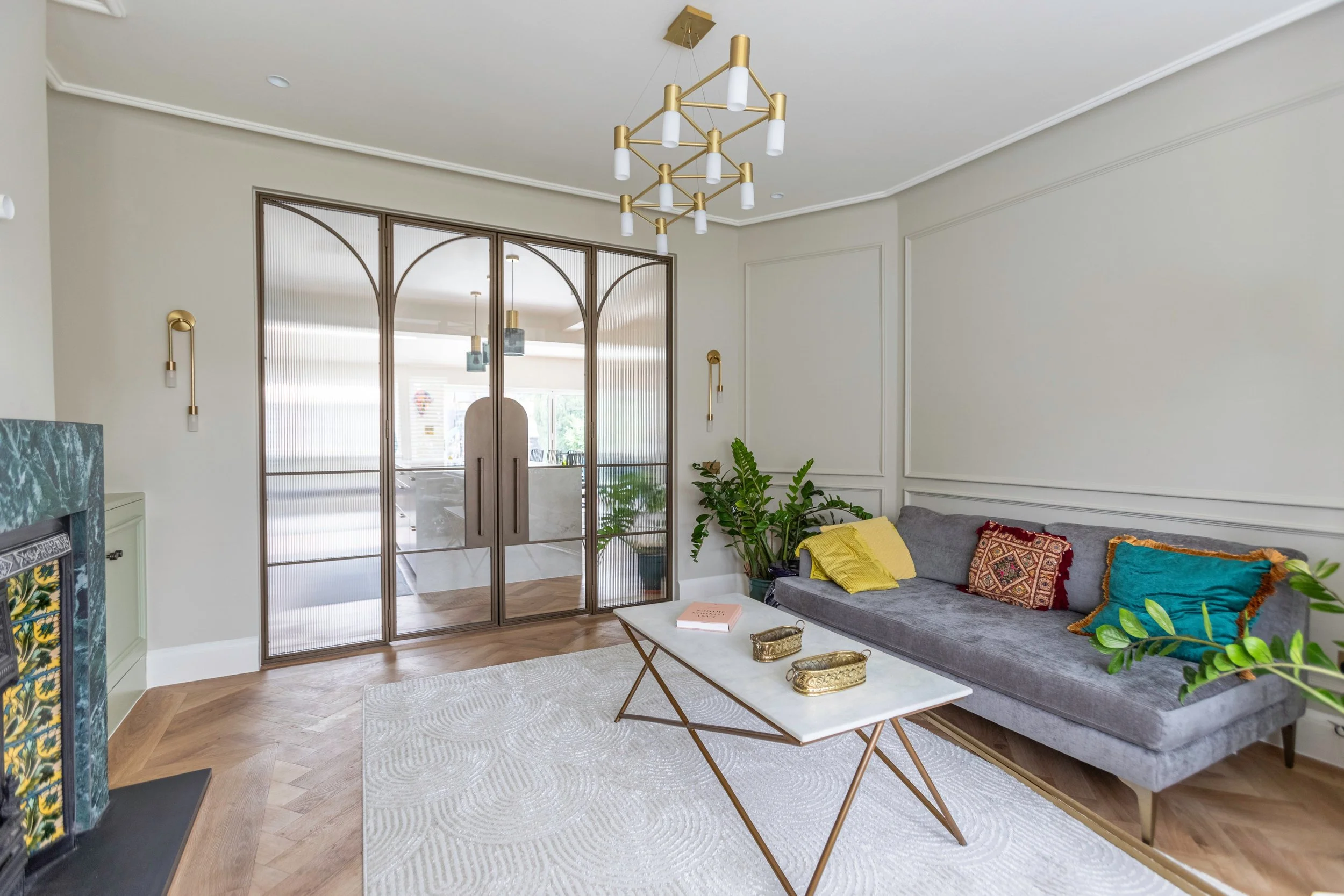
The Rise of Arched Bars and Curved Geometry — 2025 can fairly be called “the year curves returned to steel.”
We saw:
Arched bar layouts
Semi-circle motifs
Fully curved apertures
Oval and circular detailing
These curves softened the structural nature of steel, bringing elegance, movement and a sense of modernity to traditional layouts.
This trend was reinforced by designers wanting doors to respond to architectural lines rather than interrupt them. Curves also blend beautifully with other soft forms emerging in interiors such as archways, fluted glazed cabinetry, round mirrors and sculptural lighting.
Textured Glass Dominated (Especially Reeded)
Reeded glass in particular became a 2025 staple, not as a novelty but as an essential design tool.
Clients specified reeded glass for:
Offices requiring semi-privacy
Hallways where light transfer was crucial
Bathrooms, dressing rooms and snug rooms
Feature door sets wanting a more dynamic visual surface
We also saw a rise in mixed-glass compositions, where clear and reeded glass were used within the same door set, split across bar lines. This added subtle depth and a bespoke character that feels far more crafted than using a single glazing type.
The Rising Popularity of Antique Mirrored Glass
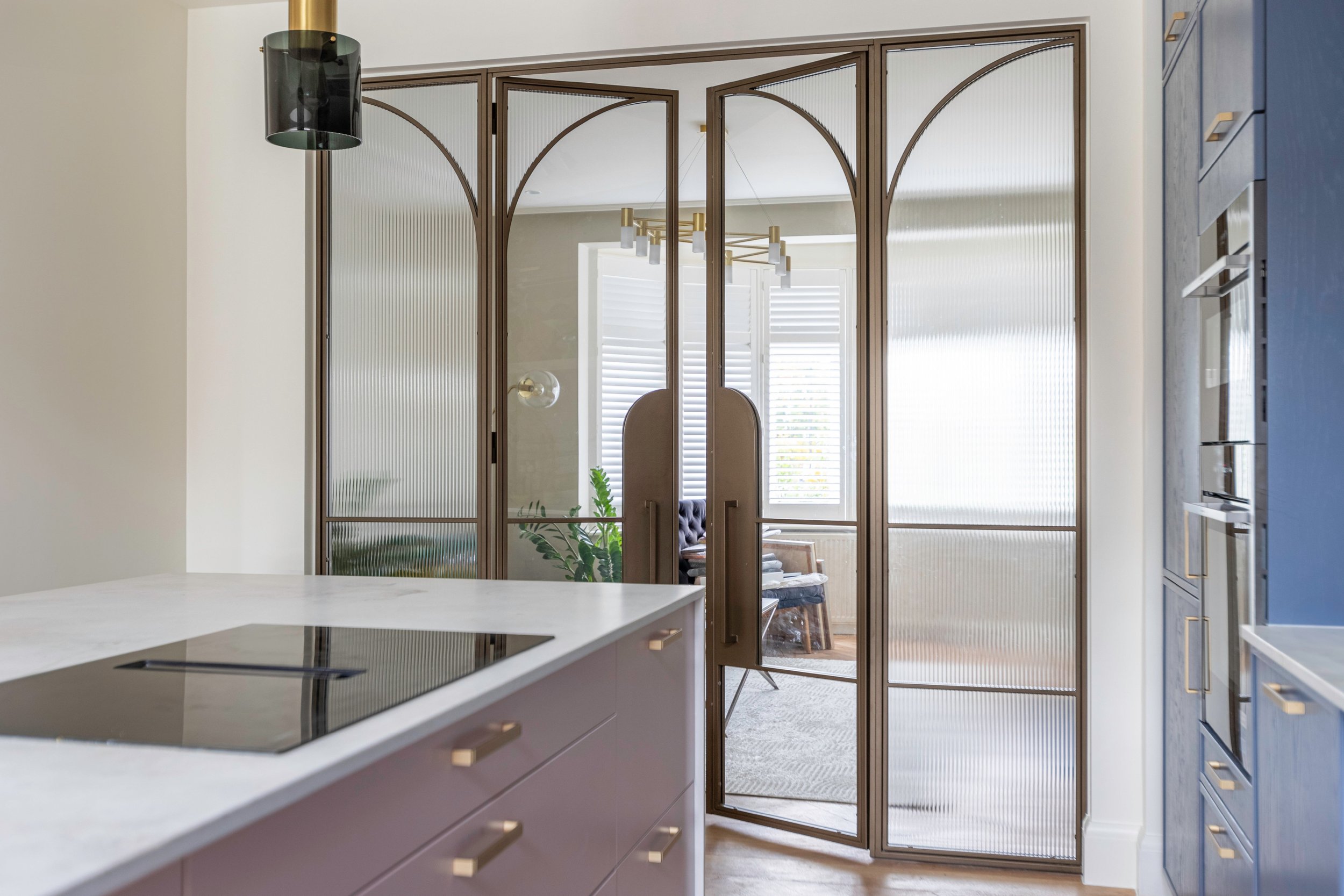
Another material that gained significant momentum throughout 2025, and shows no sign of slowing into 2026, is antique mirrored glass. Once considered a niche, decorative option, it has now become a highly requested feature among designers and homeowners seeking a richer, more characterful aesthetic for their steel door installations.
What makes antique mirror so appealing is its incredible variety. There are dozens of subtle variations available, each offering its own tone, depth and ageing pattern — from soft, smoky greys to warmer bronze-tinted patinas, from lightly distressed textures to more expressive marbled effects. These small differences allow clients to select a finish that aligns precisely with their interior palette and design intent. Rather than settling for a single “standard” appearance, they can curate the exact atmosphere they want to achieve, whether that’s understated elegance or bold vintage glamour.
Antique mirror works especially beautifully when paired with bronze-finished steel frames. The combination creates a sense of permanence and timelessness, allowing brand-new doors to feel as though they have always belonged to the property. In period homes, this blend of materials offers a seamless bridge between old and new; in contemporary spaces, it introduces warmth, depth and a subtle hint of nostalgia without compromising the clean architectural lines that steel framing provides.
We are seeing antique mirror used more widely, not only in dressing rooms, bars, and libraries where it has traditionally been popular, but also in hallways, studies, media rooms and even as part of sophisticated room divider compositions. As clients become increasingly design-aware and more confident in experimenting with materiality, we anticipate that antique mirrored glass will continue to feature heavily across projects in 2026 and beyond.
E30 Fire-Rated Doors Became the New Normal
Fire safety has never been more central to residential design.
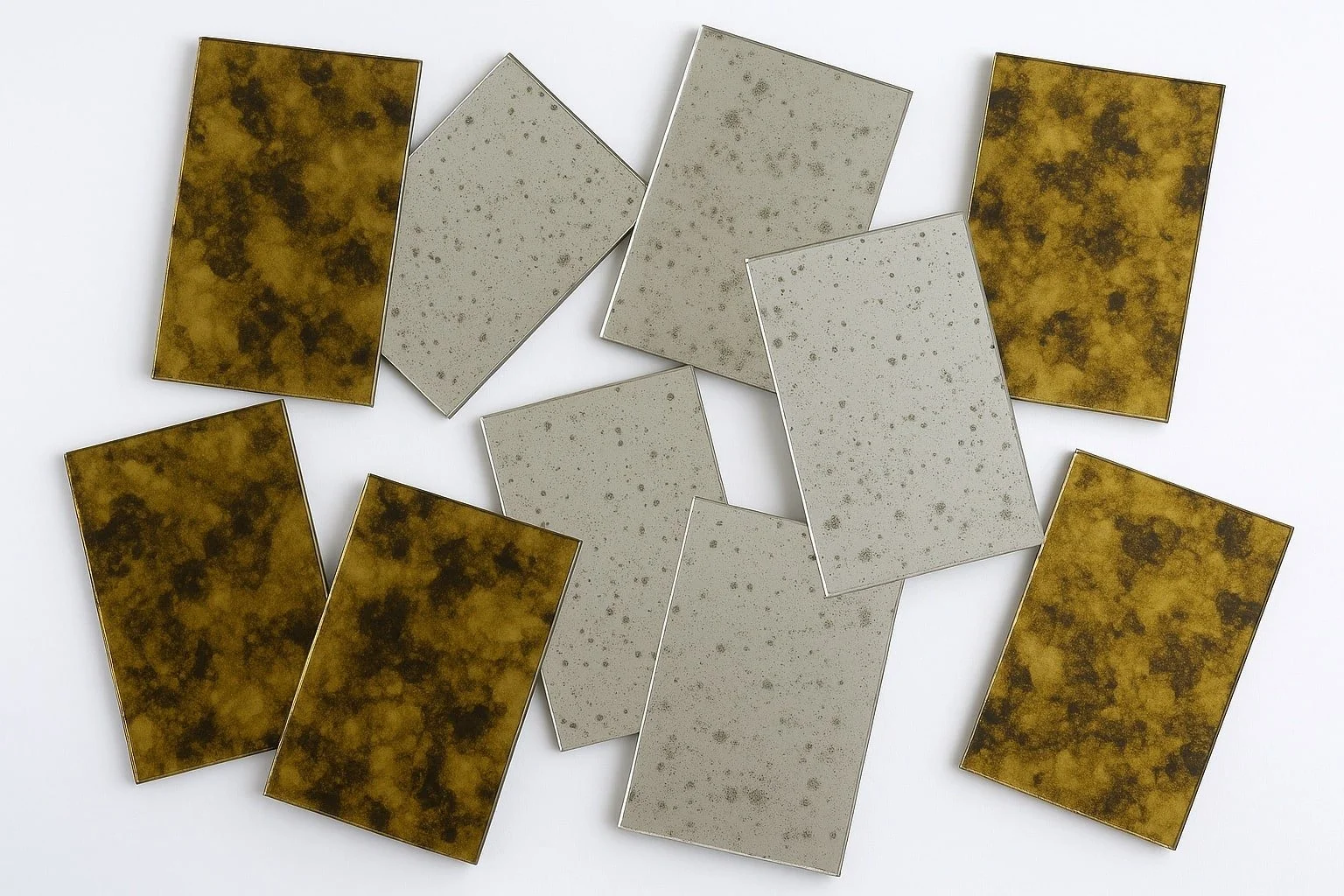
Throughout 2025, we produced large numbers of E30-rated doors and demand continues to grow. Building control teams have become more involved and more stringent, and clients now expect fire safety without aesthetic compromise.
Our InoCross20FR system was widely selected for projects where:
Light needed to remain a central theme
Open-plan homes required protected escape routes
Entrances or hallways linked directly to living spaces
Higher-end developments required design coherence across all doors
Homeowners were often surprised to learn that fire-rated doors can still look visually identical to non-fire-rated versions, even with slim sightlines and contemporary bar layouts.
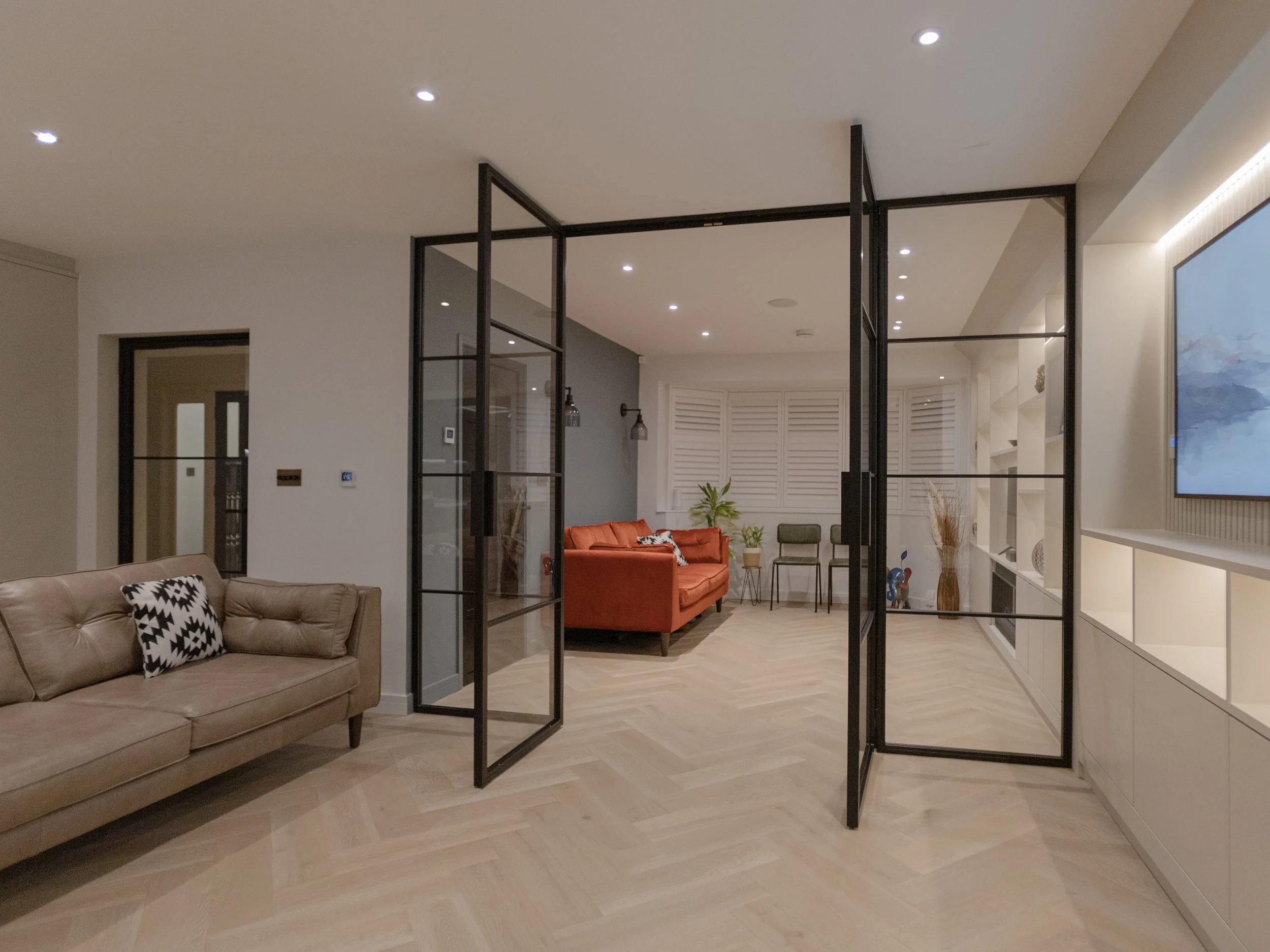
Full-Height Doors and Bulkhead Removal
Another key 2025 trend was the elimination of bulkheads to increase opening height.
Clients wanted:
Taller doors
More dramatic entrances
Better light penetration
More uninterrupted vertical lines
Full-height steel doors create a grander architectural expression while giving rooms a greater sense of scale.
A Move Away from Traditional 3-Bar Layouts
While classic bar layouts will always hold a place in steel door design, 2025 saw a marked shift toward more contemporary compositions.
Popular alternatives included:
Central squares
Asymmetrical bars
Arched patterns
Full semi-circle motifs
Minimalist layouts with only 1–2 bars
These configurations provided designers with more options for character, rhythm and architectural storytelling.
Early Signs of What Will Dominate in 2026
Based on hundreds of consultations, site visits and designer collaborations, we have identified several trends already gaining momentum.
Warmer Metallics Continue: Bronze, Champagne, Antique Brass
Metallics will remain a major influence, but we expect a rise in:
Champagne tones for softer luxury
Antique brass for warmth and texture
Subtle gold-tinted neutrals with a more architectural edge
RAL colours that closely mirror metallics will grow as a category due to their durability and uniformity.
Mixed Glass as a Design Language
Designers are increasingly specifying:
Clear + reeded
Reeded + opaque
Clear + tinted
Opaque + diffused
These contrasting surfaces bring depth, privacy control and layered visual interest — often becoming the central design feature of a room.
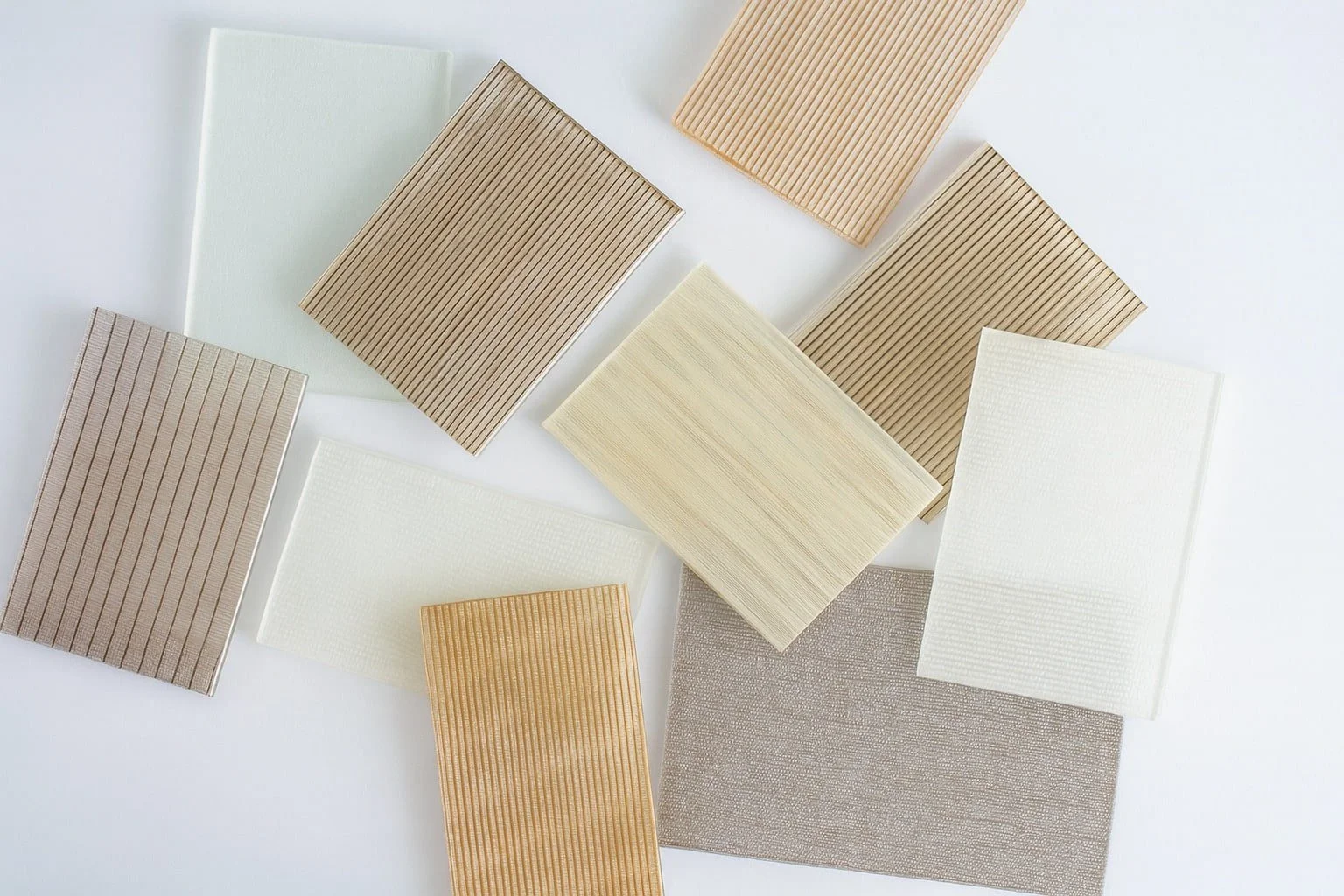
Bespoke Glazing: Mesh, Fabric & Fully Custom Interlayers
Another growing movement we’ve seen throughout 2025, and we are confident that it will continue to grow in 2026, is the use of bespoke laminated glass options, particularly those incorporating mesh, fabric or decorative interlayers. These specialist glazing types give homeowners and designers far more creative control, whether the goal is to introduce subtle texture, soften visibility between rooms or add a unique architectural signature that standard glazing can’t achieve. Because laminated glass is typically thicker than our standard 6mm toughened glass, some projects require us to adapt or re-engineer parts of our system to accommodate the increased depth. This is where the benefits of a fully bespoke, fabricated-to-order steel system become clear: every door we produce is built to the exact specification of the client and project, allowing us to bring even the most ambitious glazing concepts to life without compromise.
Arched Designs Will Define 2026 (The Year of the Arch)
We expect 2026 to be the year of the arch — not just in small applications but as dominant architectural elements.
Reason:
They harmonise with both period and modern homes
They soften the geometry of steel
They work beautifully with lighting and today’s material palettes
They elevate otherwise simple openings
We have already begun fabricating arched screens, arched doors and curved bar motifs for high-profile projects, which will be installed in 2026.
Bigger Door Sets, Wider Apertures
As open-plan living evolves, clients want spaces that can be:
Open and social
Enclosed and intimate
Acoustically controlled
Visually uninterrupted
Wider double doors and doors combined with large fixed screens will continue to rise.
More Collaboration with Architects at Early Concept Stage
Architects are involving us earlier:
To align bar layouts with sightlines
To coordinate door height with window mullions
To ensure early fire-safety planning
To integrate steel as part of the home’s signature design
To refine metalwork to complement staircases, joinery and lighting
This partnership is changing the aesthetic value of steel doors and elevating them from beautiful additions to embedded architectural elements.
Fire-Rated Systems Will Expand Even Further
Regulation isn’t slowing down.
We expect:
More projects to require fire-rated doors
More designers to ask for matching FR and non-FR pairs
More emphasis on maintaining slim sightlines across both categories
Fire safety will become a standard part of concept development rather than an afterthought.
View our: Fire-Rated Doors & Screens
Case Studies That Capture the Year — and the Future
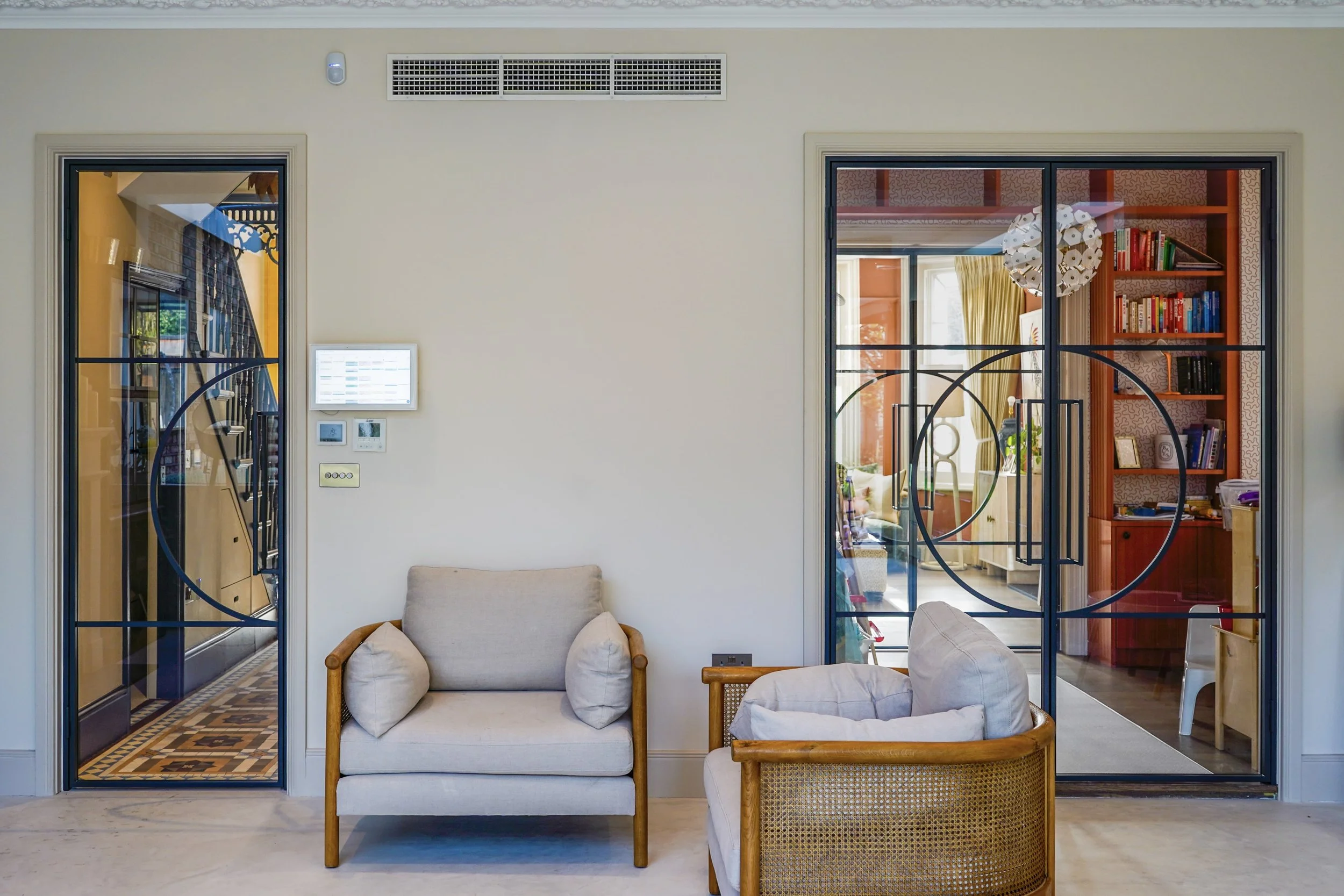
Queen’s Park, London — The Year of the Curve
A project defined by curved geometry, Queen’s Park represents the growing trend of expressive detailing.
We installed:
Two double door sets
One single door
All featuring curved half-circle motifs, creating full circles on the double doors when closed
When closed, the double doors formed a complete circular design — echoing a feature lamp and other circular accents within the home.
This project represents 2025’s shift into softer, more fluid design expression.
View the full case study: Queen’s Park, London
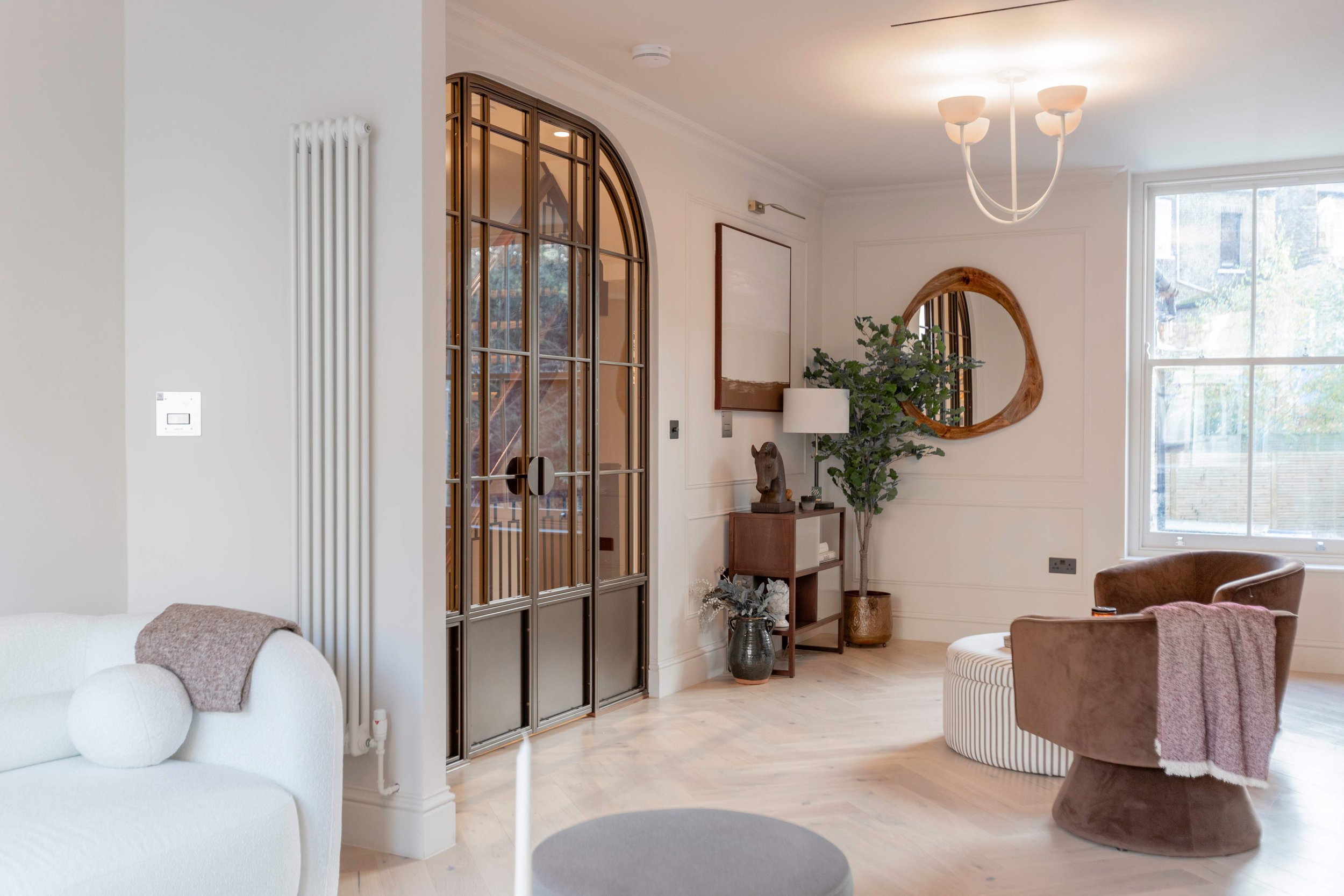
Hackney, London — Bronze, Arches and Architectural Integration
Hackney reflects the rise of bronze finishes, arched elements, and architectural coordination.
Working with a high-end property developer, we delivered:
A striking double door set
Framed by arched fixed screens
Finished in a rich bronze powder coat
Complete with bespoke curved handles
Enhanced with kick plates for visual weight
The curved door corners allowed the clients to keep the arched aperture without compromising practical swing clearance — a perfect example of functional and aesthetic alignment.
View the full case study: Hackney, London
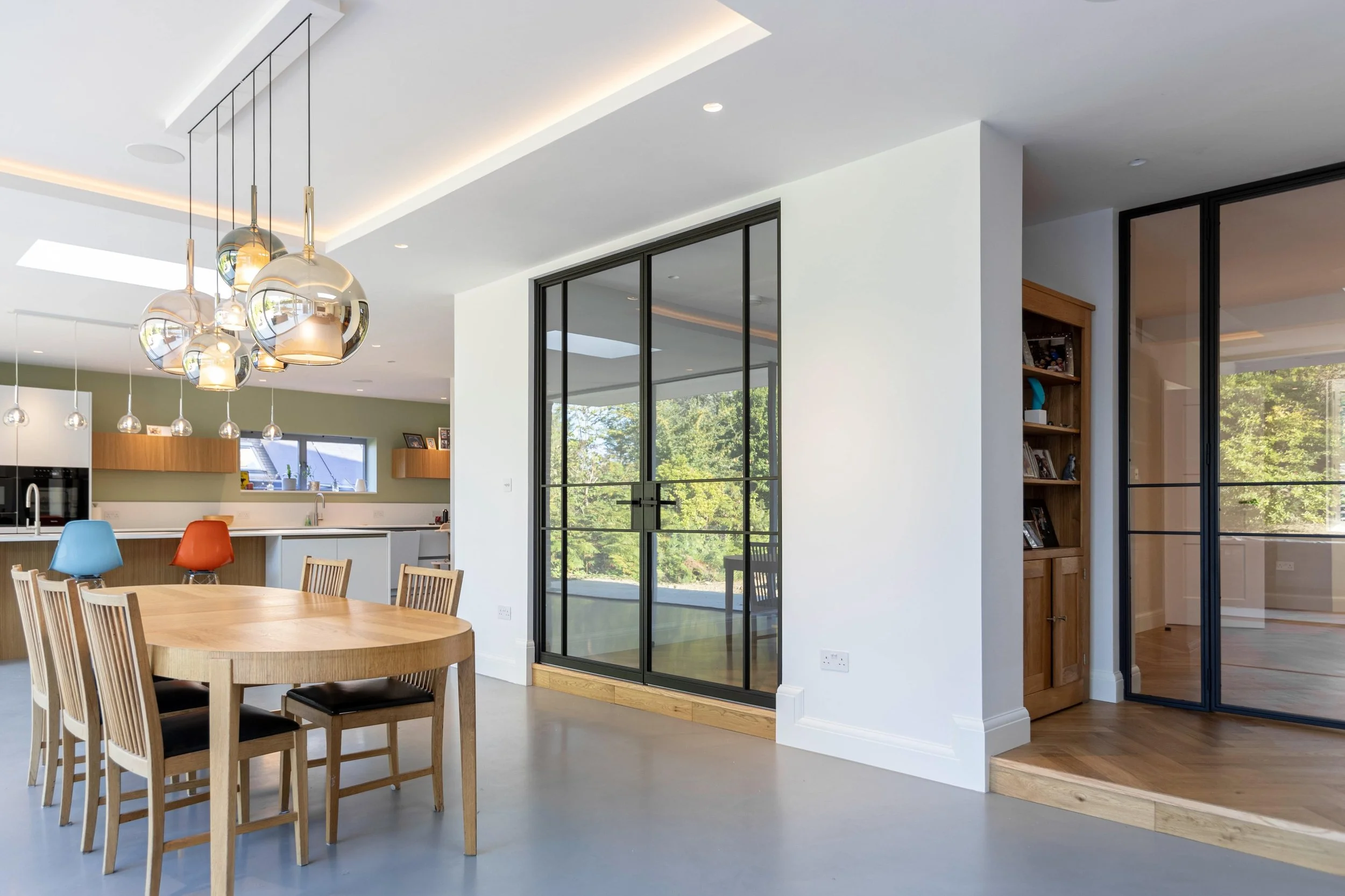
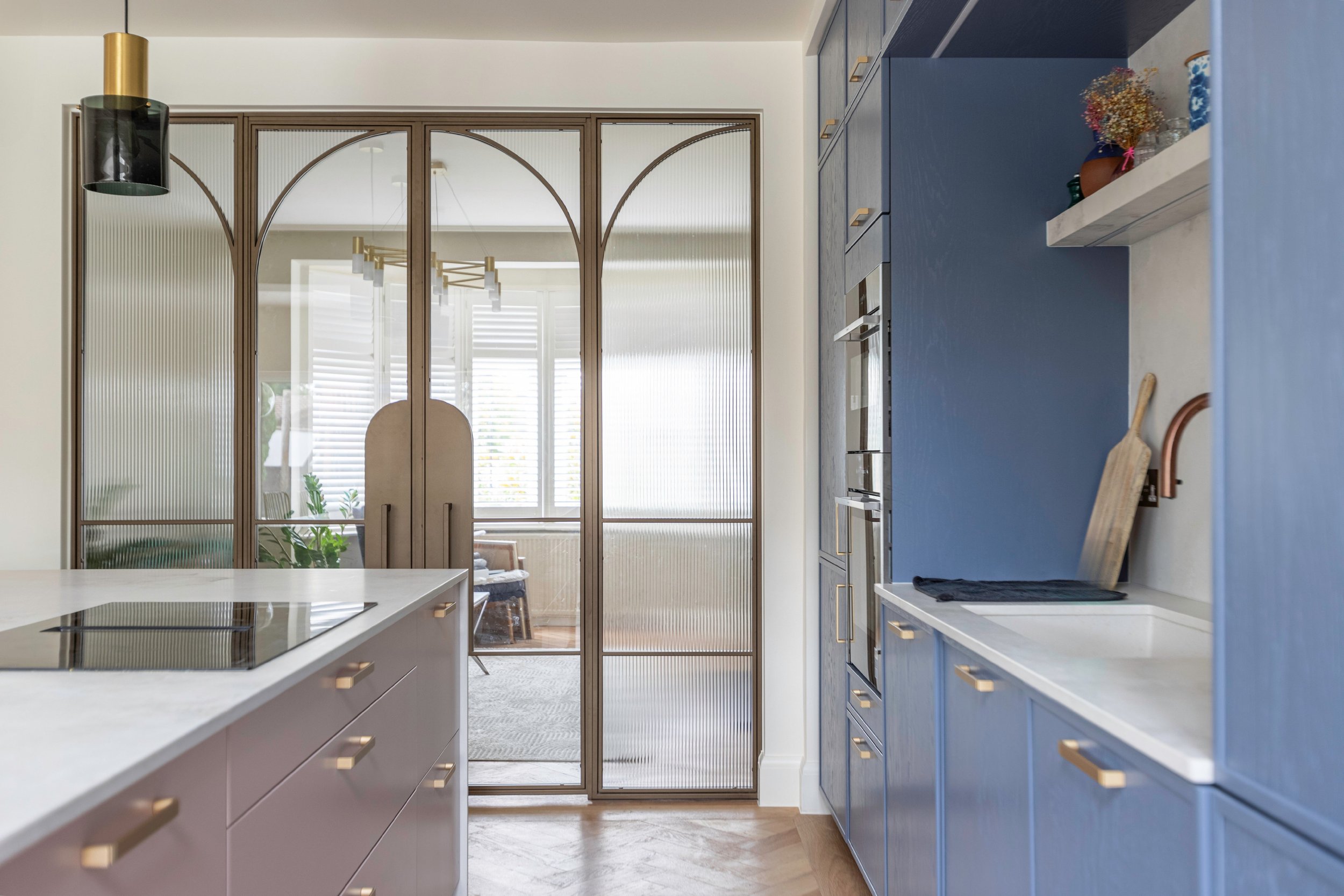
Winchmore Hill, London — Mixed Glass and Curved Elegance
This project demonstrated how contrast and curvature can work together to create a timeless centrepiece.
The design incorporated:
Clear glass in the lower door sections
Reeded glass in the side screens and upper portions
Arched bars aligning seamlessly across the set
A bronze finish tying the installation to the kitchen palette
The combined effect was luxurious, softly textured and architecturally refined.
View the full case study: Winchmore Hill, London
What This Means for the Future of Steel Doors
2025 was not just a year of trend evolution — it marked a shift in how steel doors are used conceptually.
Steel doors are now:
Architectural instruments, not just dividers
Light-modulating tools
Acoustic managers
Design signatures
Regulation-compliant safety elements
Customisable sculptures
As more clients seek cohesive, well-lit, materially rich interiors, steel continues to offer unmatched versatility.
Conclusion: 2026 Will Be the Year of Height, Warmth and Curves
Looking ahead, we expect 2026 to break new ground for steel-glazed design.
The three most defining themes will be:
Increased curves
From bars to apertures, we expect to see more curves and arches. Curved bars will soften interiors.
Warmer metallics
Bronze, brass and champagne will replace stark contrast with a more sensory, architectural warmth.
Bigger, bolder openings
Doors will become taller, wider, and more connected to the fabric of the building.
Steel will continue to play a central role in homes that value atmosphere, craftsmanship and longevity.
We look forward to another year of creating architectural pieces that shape the homes and lives of our clients.
A Final Thank You: Looking Back with Gratitude
Lastly, we would like to extend a sincere and heartfelt thank you to everyone who has been part of our journey this year — from those who made an enquiry, to the architects, designers and contractors we collaborated with and the homeowners who entrusted us with bringing their vision to life. Your confidence in our work is what enables us to continue refining our craft, innovating our systems and delivering the level of quality we are known for.
We are equally grateful to everyone who visited our website, recommended us to a friend, or took the time to leave us a review. These gestures may seem small, but they play a significant role in the growth of our business and the momentum of our brand. Every conversation, share and piece of feedback contributes to the direction we take — and we appreciate it more than we can say.
2025 was a defining year for Joshua James.
We completed more projects than ever before, worked on some extraordinary and prestigious properties and expanded our offering with even more bespoke capability — from advanced glazing options to increasingly architectural door configurations. Each project, whether small and refined or large and complex, has helped shape who we are and how we continue to evolve.
This year also marked a major milestone for our team: we moved into our new showroom and workspace, The Studio.
The move has transformed how we work day-to-day, giving the team a space that is inspiring, functional and tailored to the needs of a growing design-led business. It has also become a welcoming environment for hosting clients — a place where concepts can be explored, details reviewed and ideas brought to life. We are incredibly proud of the space and look forward to officially opening it in 2026 with an event to celebrate the next phase of our journey.
Your support, trust and collaboration have made 2025 a remarkable year. We are proud of what we’ve accomplished together — and even more excited for the year ahead.
Thank you for being part of our story.
Let’s Talk
Whether you're renovating a home, specifying for a new build, or delivering a luxury interior for a client — we’re here to help.
At Joshua James, we work with architects, interior designers, homeowners and contractors across the UK to design and supply bespoke steel internal doors. Every door is crafted to exacting standards, tailored to suit each project’s vision, and built to stand the test of time.
If you're ready to elevate your next project with precision-made steel framed doors, let’s talk.