How Long Do Steel Internal Doors Last?
A Complete Longevity Guide for Modern Homes
Introduction
How long does a steel internal door actually last?
If you search online, you’ll quickly find conflicting information, most of it incorrect.
That’s because nearly all online discussions refer to exterior metal or security doors: the hollow, foam-filled, thin-skinned doors used for outbuildings, fire escapes or commercial units. They have nothing in common with welded steel-glazed internal doors crafted for contemporary homes.
Architectural steel doors behave differently. They perform differently, they age differently and their longevity is entirely different.
This guide breaks down every factor that influences lifespan so homeowners, architects, interior designers and contractors can make informed decisions with complete clarity.
Why Most Online Lifespan Advice Is Wrong
ALT Text: “Comparison between internal welded steel doors and external metal security doors showing different lifespans.”
Image Description: A graphic or side-by-side photo showing the structural difference between a welded steel internal frame and a thin external metal door.
When you search “How long do steel doors last?”, the results overwhelmingly focus on:
denting
rust
weather exposure
insulation
burglary resistance
corrosion
thermal bridging
None of this information applies to internal steel-glazed doors.
External metal doors often last 10–15 years, while internal welded steel doors often last 50+ years.
The two shouldn’t even share the same category.
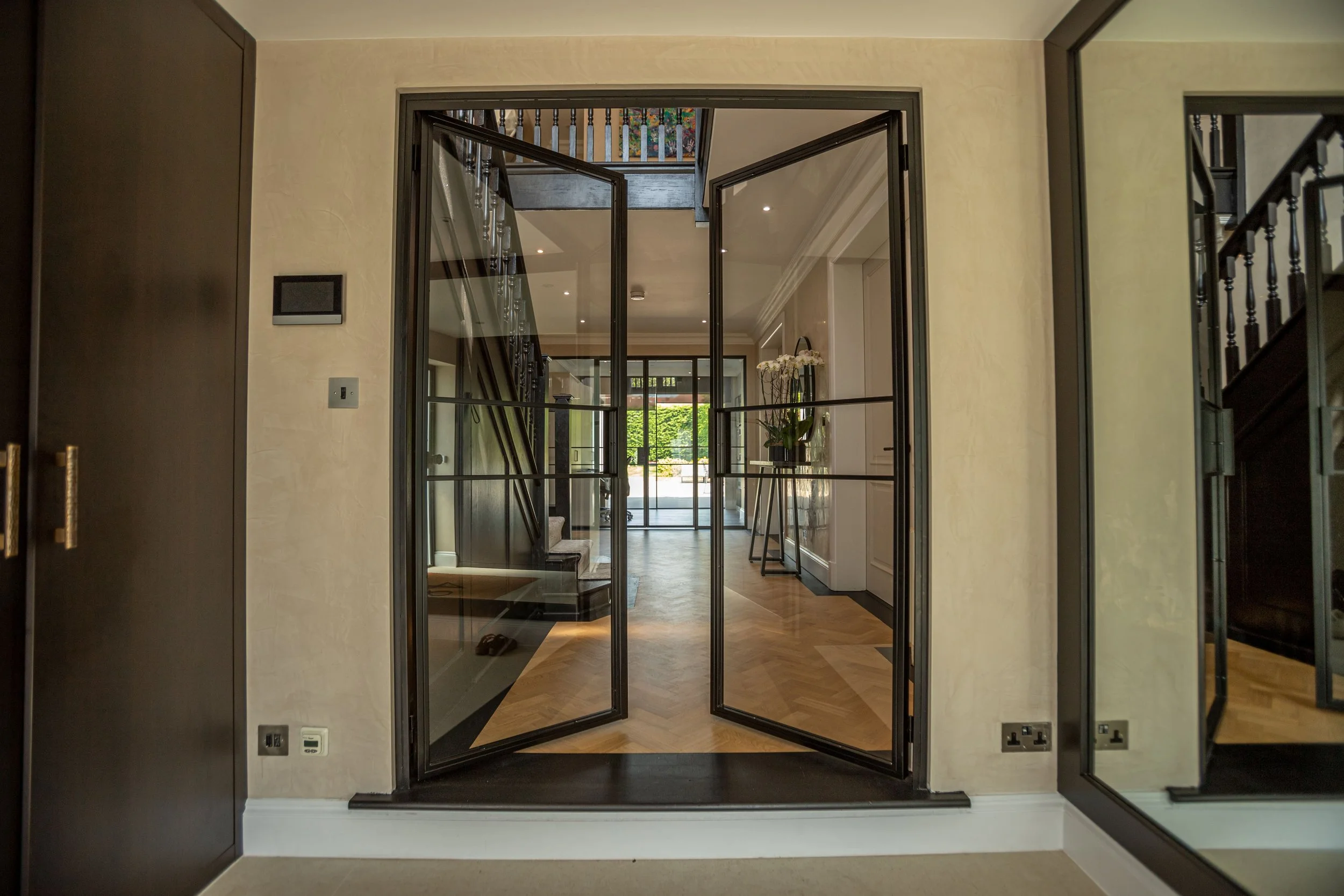
The True Lifespan: 50+ Years With Minimal Maintenance
The real answer: A correctly made internal steel door can last longer than almost any other component in a home.
The frame itself can easily last a lifetime, or even multiple generations, because:
Steel does not warp.
Steel does not swell with humidity.
Steel does not flex under normal use.
Welded frames become a single unified structure.
Powder coating protects steel for decades.
Glass never bows, twists or deteriorates indoors.
Most homeowners will never need to replace a correctly fabricated steel internal door.
This places steel far above aluminium and timber when evaluating longevity.
What Makes Steel Naturally Long-Lasting?
Material Strength
Steel has one of the highest strength-to-size ratios of any architectural material. This means slim frames can support large glazed panels without bending or fatigue.
Dimensional Stability
Steel remains straight. It does not react to humidity or temperature in the way timber does.
Inert Indoors
Internal environments protect steel from UV, weather, moisture cycling and thermal expansion. This dramatically extends its lifespan.
Impact Resistance
Steel’s hardness means it withstands physical use far better than aluminium (which dents) or timber (which chips).
The material itself is already optimised for longevity but fabrication is what unlocks its full potential.
Welded Construction: The Lifespan Multiplier
Why welding matters
A welded steel frame is one continuous structure. Every joint becomes part of the frame, making it solid, immovable and extremely stable.
The benefits of welding for lifespan:
Zero joint movement over time
No screws to loosen
No mechanical pressure clips
No brackets that fatigue
No cracking at connections
Perfect alignment for decades
Handles and hinges remain stable
Bars stay perfectly in line
Aluminium “steel-look” systems rely on screws, clips and mechanical joints.
They loosen.
They shift.
They flex.
This is the biggest cause of premature failure and it’s why welded steel lasts many times longer.
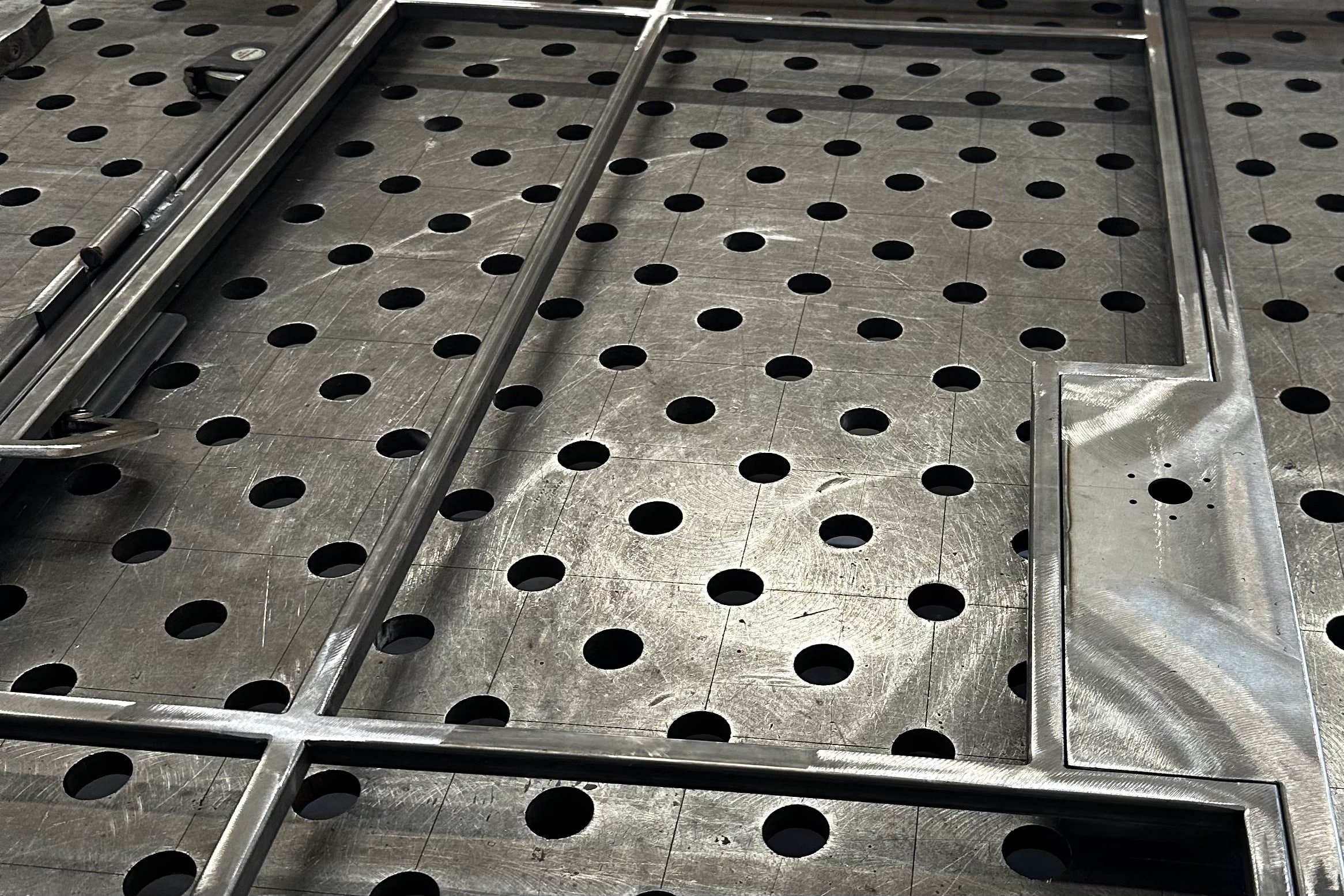
Precision Fabrication & Quality Control
Longevity begins long before installation.
Key fabrication factors that extend lifespan:
Correct steel grade selection
Precision cutting to eliminate stress
Clean, strong welds
Grinding and refining for smoothness
Checking alignment at each stage
Pre-finishing inspection
Proper powder coat bonding
Correct glazing preparation
Testing door movement before coating
Your process is extremely rigorous, which directly affects long-term performance.
Powder Coating: The First Protective Layer
Powder coating isn’t just aesthetic; it is a protective shell.
Why powder coating extends lifespan:
Extremely resistant to moisture
Hard-wearing against knocks and scratches
UV-stable indoors
Chemically bonded to the steel
Doesn’t peel like paint
Maintains colour integrity
A high-quality powder coat typically lasts 20–30 years before showing wear and in low-touch areas can last significantly longer.
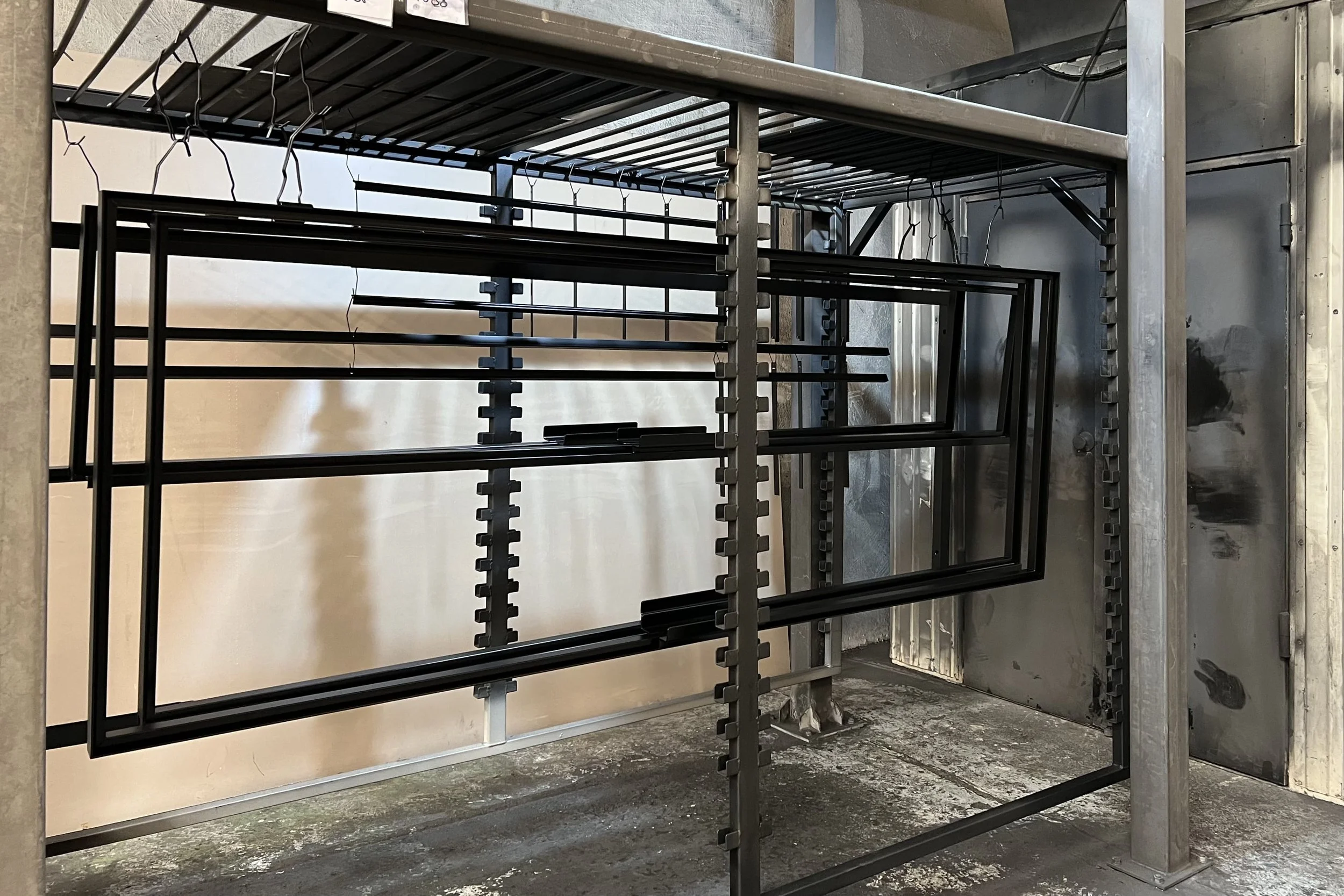
Zinc Coating: The Essential Upgrade for Humid Environments

Steel does not rust indoors.
However, persistent humidity (such as in bathrooms and pool areas) needs proper specification.
All our systems can be zinc-coated, including:
InoCross20
InoCrossSculpture
InoCross20FR
Sliding
Bifold
Fixed screens
Double door sets
What zinc coating does:
Forms a sacrificial shield
Stops corrosion even in steam-heavy rooms
Improves finish integrity
Counteracts water exposure
Important for indoor pools, spas and wellness suites
With the application of both zinc coating and powder coat, steel remains stable even in the most humid environments.
The Role of Welded 3D Barrel Hinges
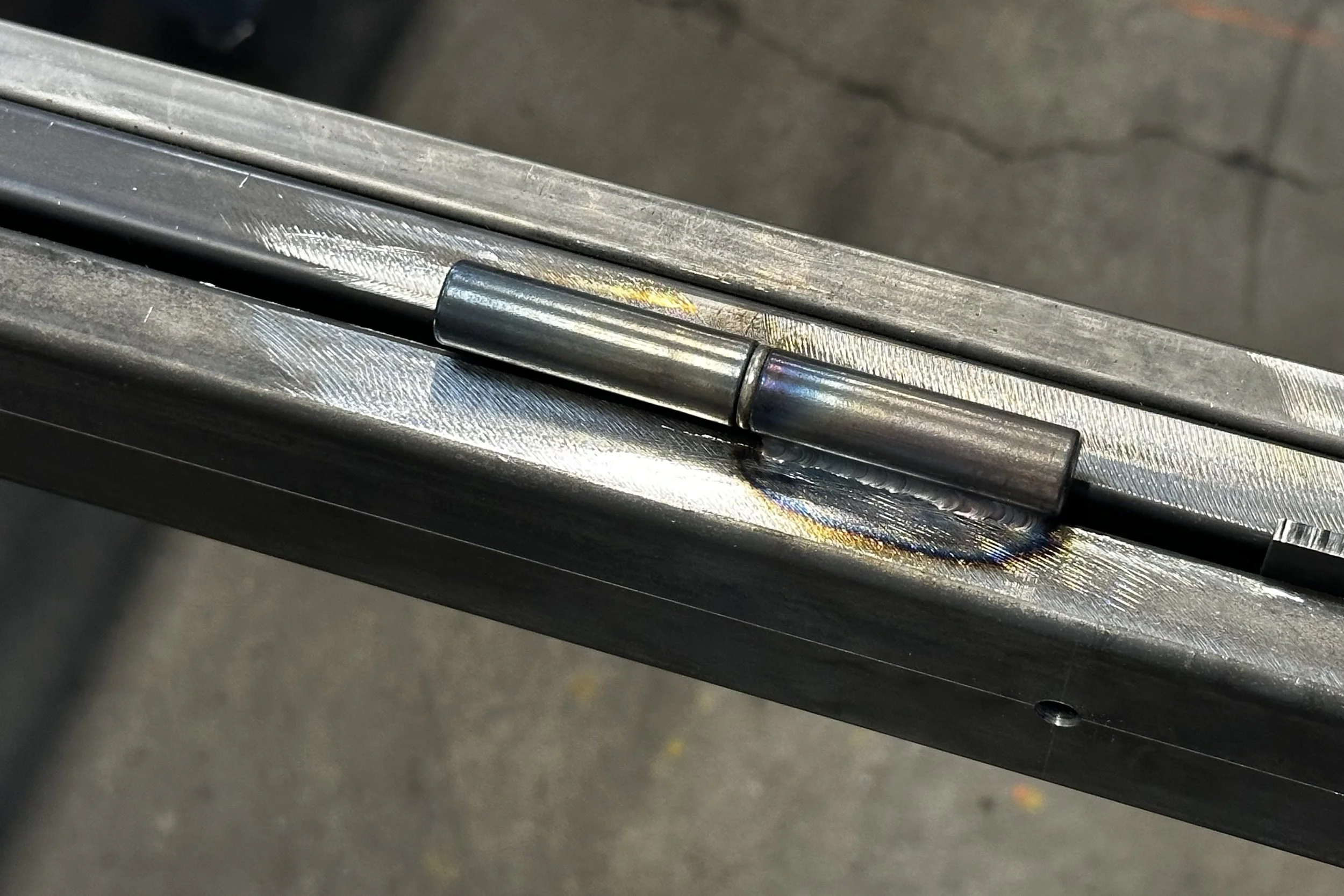
Hinges are a majorly understated component and are one of the key factors a door does or doesn’t lasts so long.
Most companies use:
ball-bearing hinges
budget butt hinges
concealed hinges that fatigue
aluminium-compatible hinges
We use: Welded 3D barrel hinges designed to last a lifetime.
Why they outperform other hinge types:
Fully welded = zero movement at fixing points
3D adjustability ensures perfect long-term alignment
Built to support heavy steel doors
No reliance on screws (which can loosen)
Designed for long-term repeated operation
Extremely quiet and smooth
Almost maintenance-free
A steel door is only as strong as its hinge and welded barrel hinges are the highest standard in the industry.
Glass Lifespan: The Hidden Win Most Clients Don’t Consider
Internal steel doors use architectural glazing such as:
toughened glass
laminated glass
reeded glass
frosted/opaque
tinted grey or bronze
specialty laminated interlayers
These glasses do not degrade indoors.
No warping, no tint changes, no bowing, no internal moisture issues. Laminated and laminated glass can last 50–70+ years.
Many replacement projects you see online involve swapping the frame, not the glass, because the glass is usually still perfect.
Installation Quality & Tolerances
Even a perfect steel door can underperform if installed incorrectly. This is the case for every precision-made system.
Longevity relies on:
correct tolerances for hinge placement
level floors
plumb walls
proper screw fixing technique
correct sealing
correct operation testing onsite
Our survey team ensures installation longevity by checking:
floor levels
opening makeup
access conditions
wall uprights
structural surroundings
This prevents operational issues years later.
Steel vs Aluminium: Real Longevity Comparison
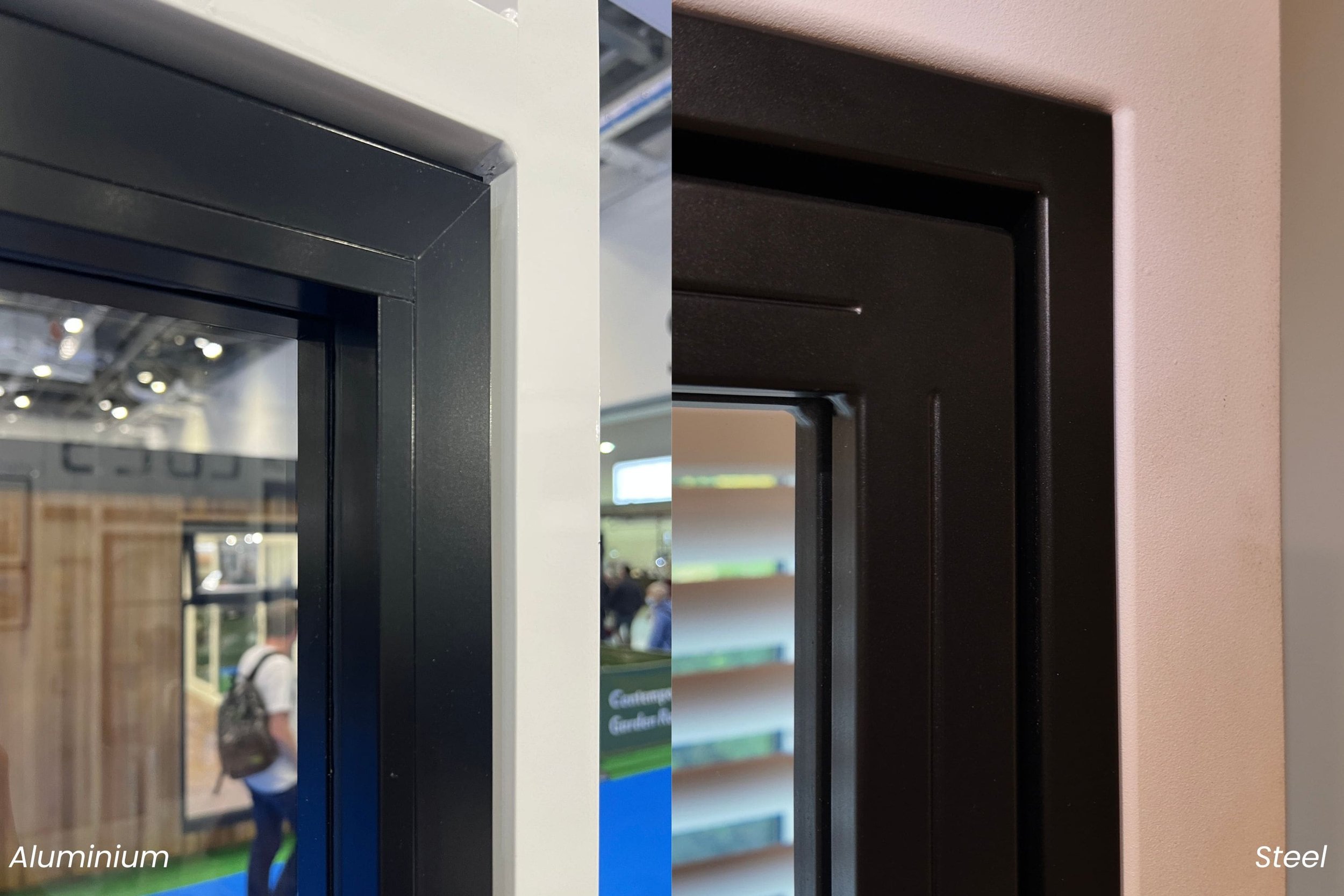
Aluminium deteriorates faster due to:
mechanical joints loosening
flexing under repeated use
denting
scratches showing silver base metal
powder coat breakdown
bar depth limitations
poorer tactile quality
Aluminium generally feel good for a few years, then begins to show weakness. Steel feels good forever.
Lifespan comparison:
Steel: 50+ years
Well-made aluminium:10–15 years
Cheap aluminium marketed as steel: 5–10 years
Steel vs Timber: Even More Dramatic Differences
Timber struggles with:
warping
swelling
bowing
shrinking
cracking
hinge loosening
paint peeling
Even premium hardwood doors have a typical lifespan of around 10 years under internal humidity changes.
Steel outperforms timber in every measurable way except acoustic softness and even then, accoustic laminated glass solves that.
Maintenance Requirements (Extremely Low)
Steel internal doors require minimal upkeep:
Recommended care:
occasional cleaning of powder coat
periodic glass cleaning
hinge dusting (optional)
rarely: lubrication of moving components
There is no painting, no sanding, no resealing, no realignment unless the building moves.
This is why steel is favoured in high-end residential projects; it’s a premium now and essentially free to maintain.
Longevity Myths Explained
Myth 1: Steel dents easily
Not true for welded steel. This myth comes from thin steel sheets, which are susceptible to dents.
Myth 2: Steel rusts indoors
Only if incorrectly specified and you offer zinc coating.
Myth 3: Steel is too heavy
Weight is a benefit; it creates luxurious tactility.
Myth 4: Steel is industrial-looking
Finishes, bar layouts and glass options allow any aesthetic.
Red Flags in Competitors' “Steel-Look” Doors
Cheap suppliers often present aluminium systems as steel. Red flags include:
visible screw joints
clip-in beads
lightweight feel
overly thick profiles
weld-free corners
magnet not sticking to bars
inconsistent bar depth
These products last 5–8 years on average, nothing like welded steel.
We encourage clients to use the magnet test on:
beads
bars
hinges
kickplated/metal infill panels
The frame may be steel, the rest often isn’t.
Real Examples of Longevity in Action
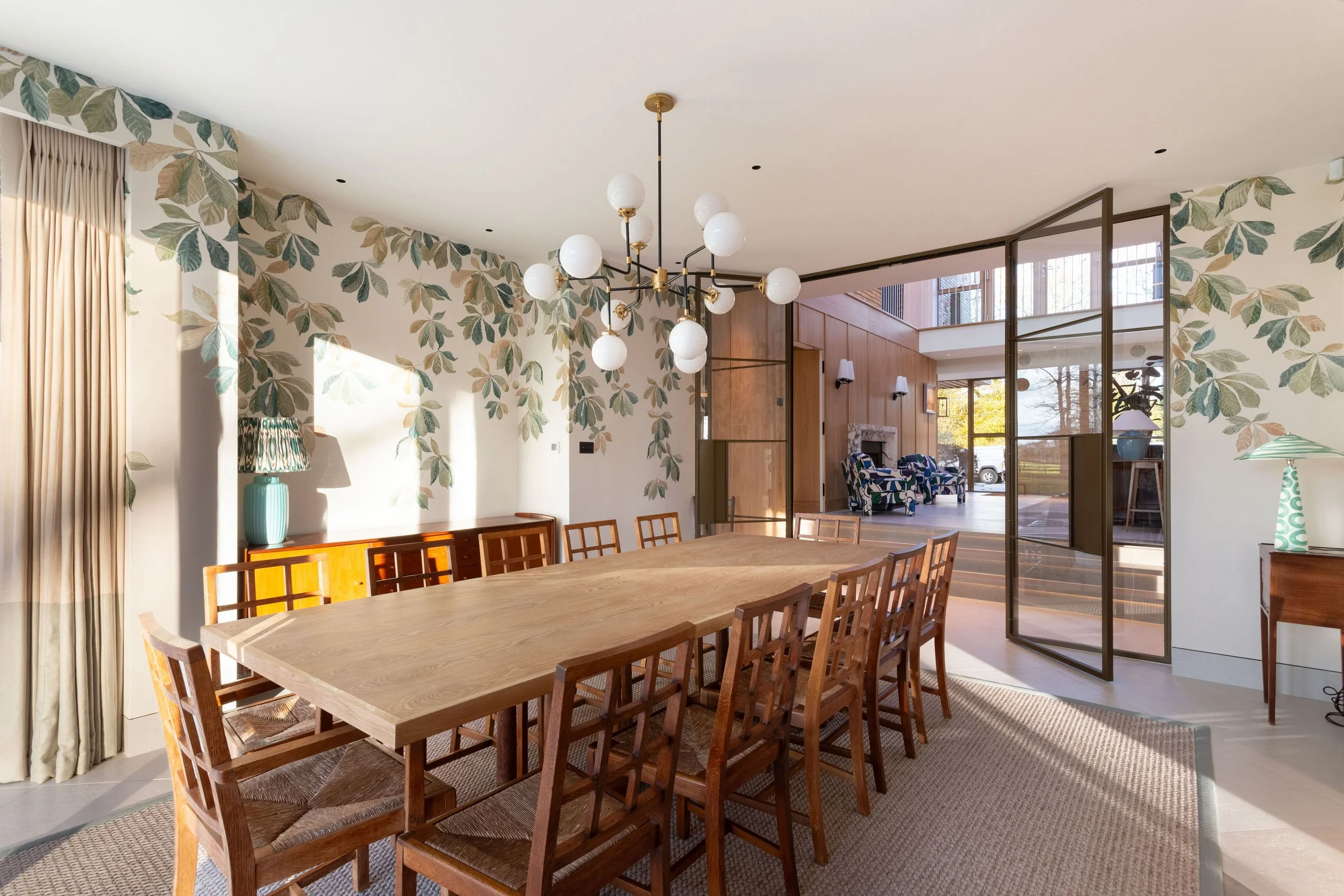
You’ve probably seen historic steel windows from 100 years ago still functioning beautifully.
Modern welded steel internal doors with improved coatings and fabrication? They will last at least as long.
The Real Lifespan Summary
Steel frame: 50+ years
Powder coat: 20–30 years before optional refinishing
Glass: decades (often lifetime)
Hinges: lifetime (welded 3D barrel hinges)
Hardware: 10–25 years, depending on finish
Overall: a true lifetime system
Few interior features offer a similar return on investment.
Conclusion: Steel Internal Doors Are Built for Generational Use
When properly fabricated, finished and installed, steel internal doors outlast almost every other architectural component in a modern home.
They do not warp, flex, corrode or weaken.
They require minimal maintenance.
They retain their structural stability for decades.
And with zinc coating, they excel even in humid environments.
Longevity is not a bonus feature; it is the natural behaviour of welded steel.
For clients who value permanence, refined design and architectural clarity, steel internal doors are not just a design choice; they’re a long-term investment in the home.
Ready to get your steel doors?
Enquire today to discuss your next project:
Submit an enquiry or call our team for a tailored consultation.
Let’s Talk
Whether you're renovating a home, specifying for a new build, or delivering a luxury interior for a client — we’re here to help.
At Joshua James, we work with architects, interior designers, homeowners and contractors across the UK to design and supply bespoke steel internal doors. Every door is crafted to exacting standards, tailored to suit each project’s vision, and built to stand the test of time.
If you're ready to elevate your next project with precision-made steel framed doors, let’s talk.