Mistakes Homeowners Make When Choosing Internal Glazed Doors (And How to Avoid Them)
Internal glazed doors have become one of the most desirable design features in modern UK homes, not just for aesthetics, but for how effectively they reshape space, improve light flow and elevate everyday living. When chosen well, they create rooms that feel brighter, larger and more connected. When chosen poorly, they can block light, feel disproportionate, highlight layout flaws and even negatively impact a home’s value.
From our experience designing and delivering thousands of steel internal doors for homeowners, architects and designers, we see the same mistakes happening repeatedly, almost always long before anyone reaches the installation stage. This guide breaks down the most common issues, why they matter and how to avoid them entirely.
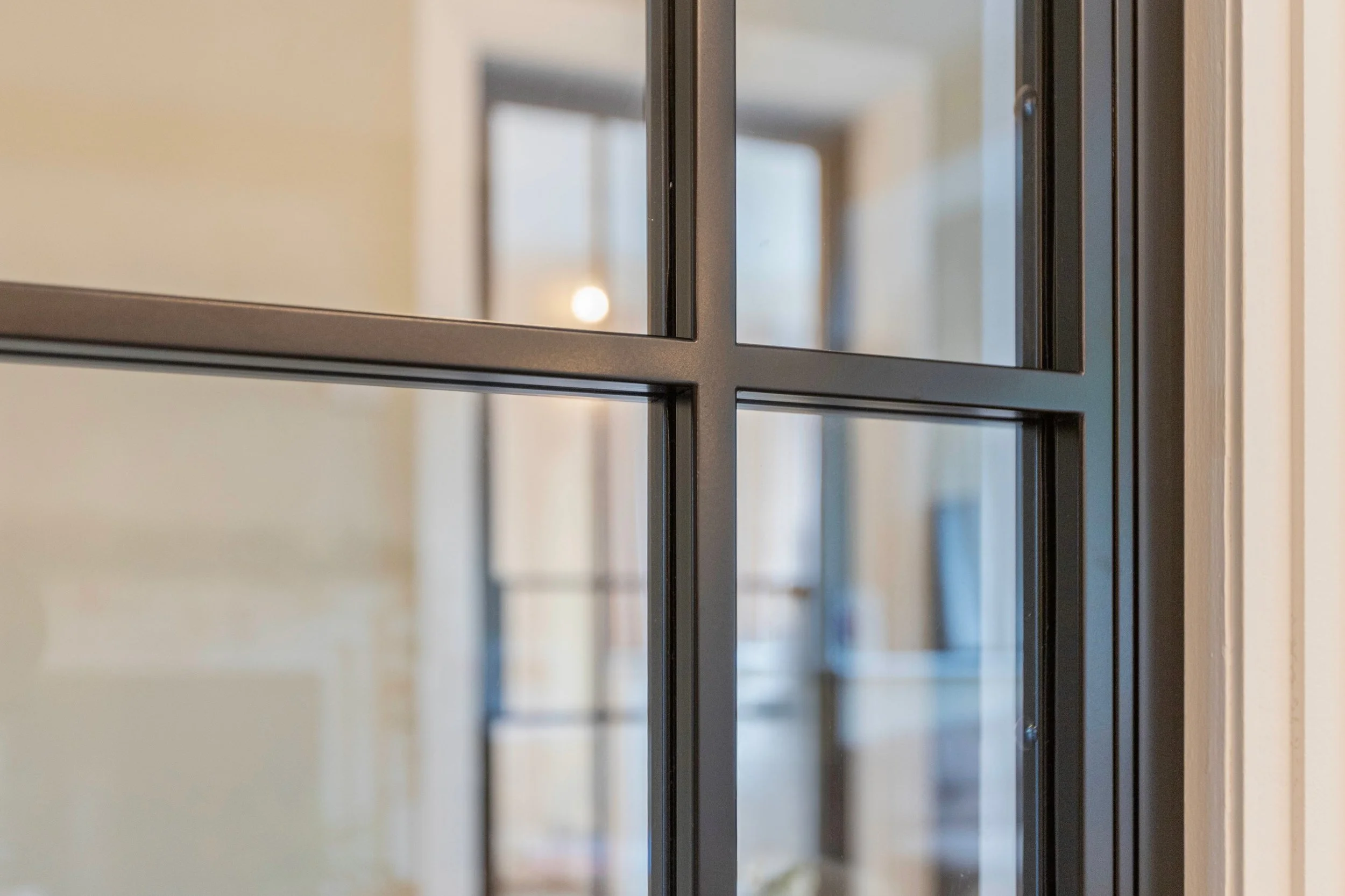
Assuming All “Steel Doors” Are Actually Steel
This is the number one reason homeowners end up disappointed and it’s understandable. Online, aluminium “steel-look” systems can appear visually similar in photos. However:
Most internal doors advertised as “steel” are actually:
aluminium frames with stick-on bars
hybrid systems (steel perimeter + aluminium beads)
lightweight, folded sheet-metal frames
mechanically screwed or clipped-together systems
doors with visible joints and seams
These systems lack the strength, stability, tactility and longevity of genuine welded steel.
Why this mistake matters
When comparing actual steel vs aluminium “steel-look”:
Sightlines differ dramatically. Aluminium requires thicker profiles for rigidity.
Weight and feel are incomparable. Steel feels solid; aluminium feels hollow.
Joints and connections behave differently. Mechanical joints loosen; welded steel doesn’t.
Longevity is not comparable. Welded steel lasts decades; aluminium can flex or drop over time.
Acoustics differ. Steel typically offers better sound separation.
Because homeowners rarely handle the doors before buying, they often discover the difference too late.
Choosing the Wrong Door Configuration for the Space
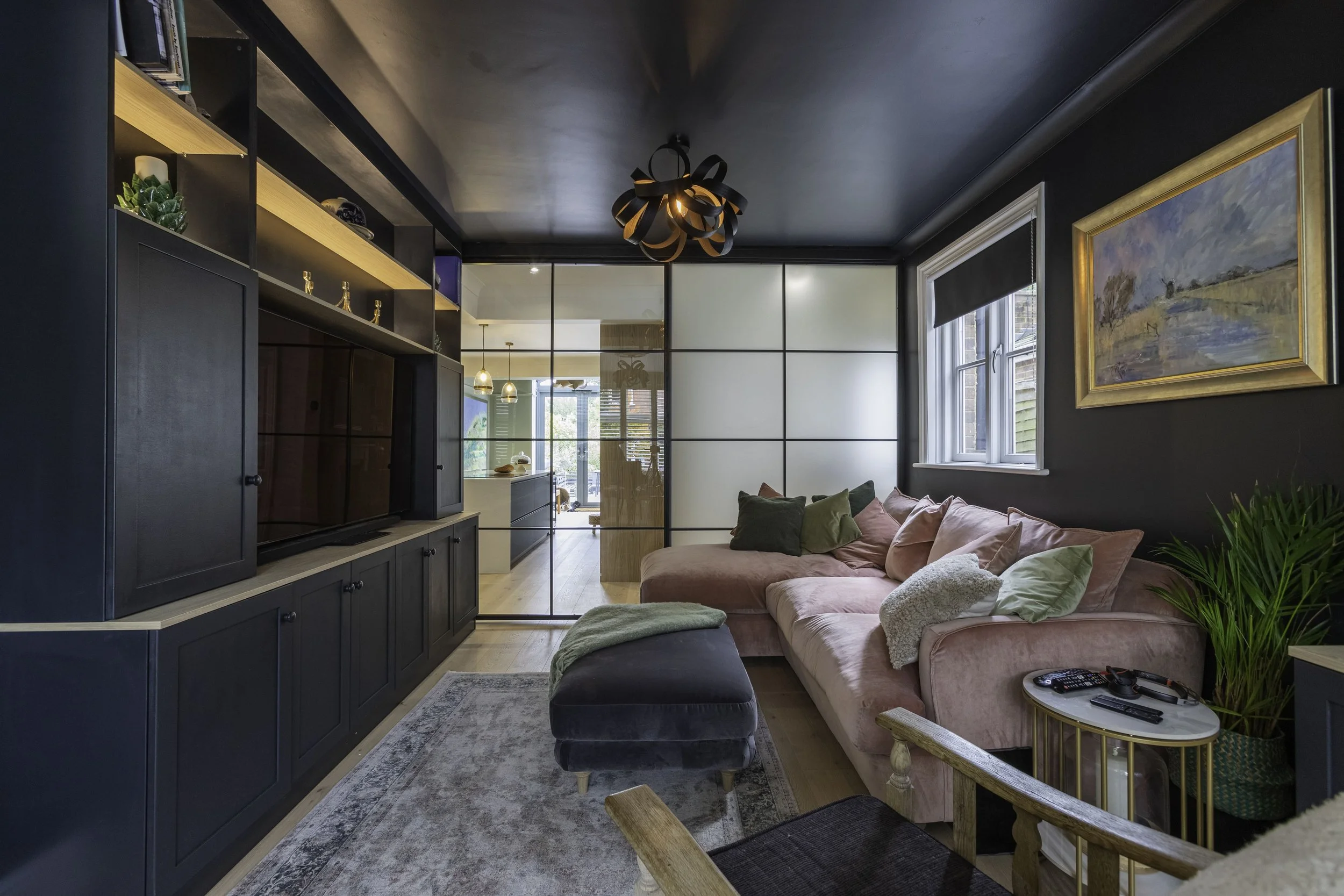
People often choose a configuration based on what they like rather than what the space actually requires.
Common configuration mistakes we see:
Choosing hinged doors where swing space is limited
Selecting sliding doors in rooms where acoustic privacy matters
Installing bi-folds in small or narrow rooms, where they become intrusive
Opting for double doors where a well-proportioned single door would be more elegant
Choosing pocket doors when the wall construction cannot support them
Selecting configurations that require floor fixings without knowing the underfloor heating depth and pipe location
The right configuration should be determined by:
circulation flow
furniture placement
acoustic needs
opening size
layout constraints
proportion
Not Pinterest.
Not Considering Glass Types Early Enough
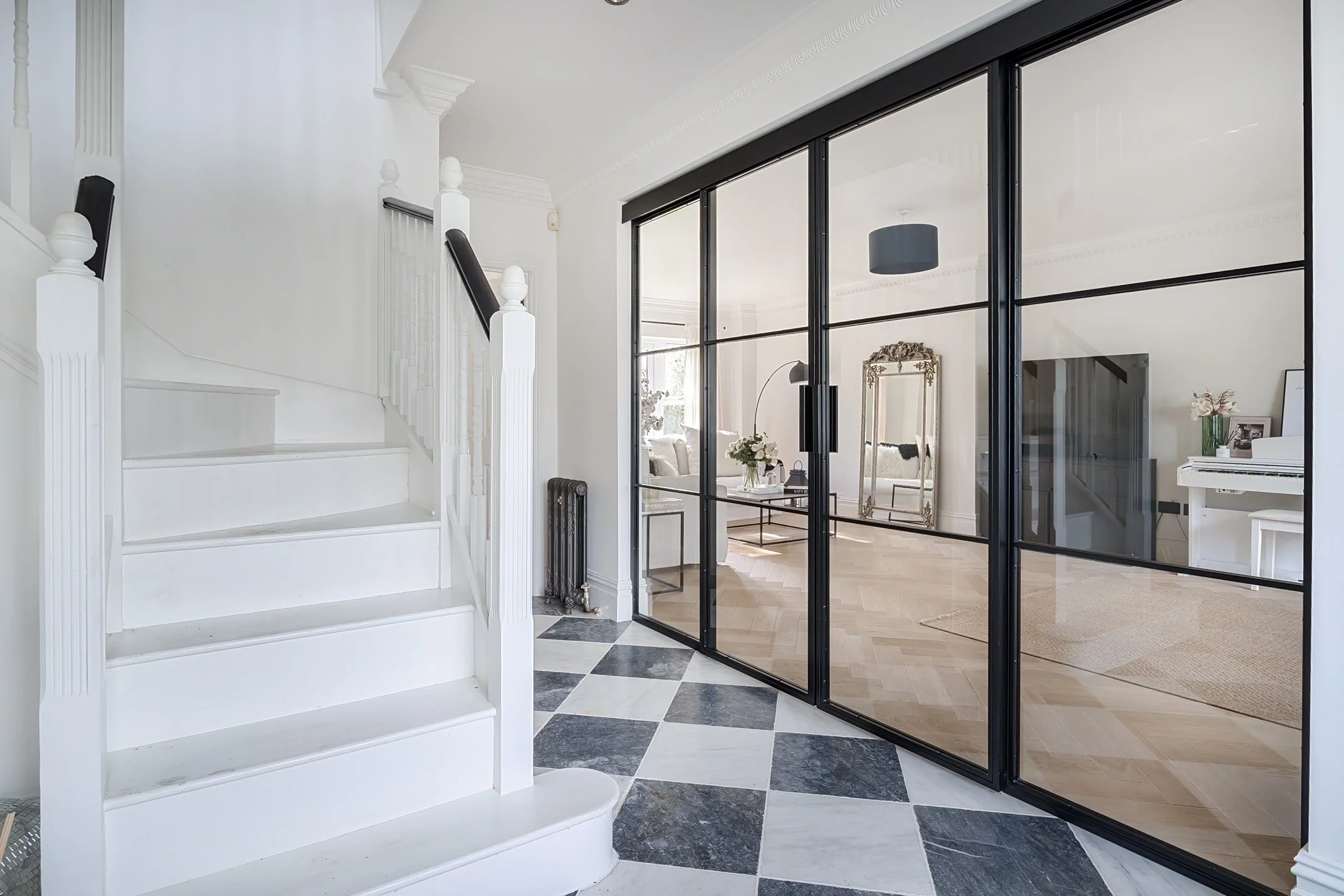
Glass defines the mood, function and privacy level of each room and yet it is often chosen last.
Most homeowners underestimate how much glass type affects:
brightness
privacy
warmth
glare
reflections
intimacy
acoustics
atmosphere
Common mistakes include:
Using clear glass in rooms requiring privacy
Adding reeded glass where visibility is essential
Selecting tinted glass in naturally dark rooms
Choosing opaque glass where a sense of connection is important
Forgetting that multiple glass types can be used within the same composition
Each glass type has a purpose and the wrong choice can reduce comfort, disrupt natural light or create unintended dark zones.
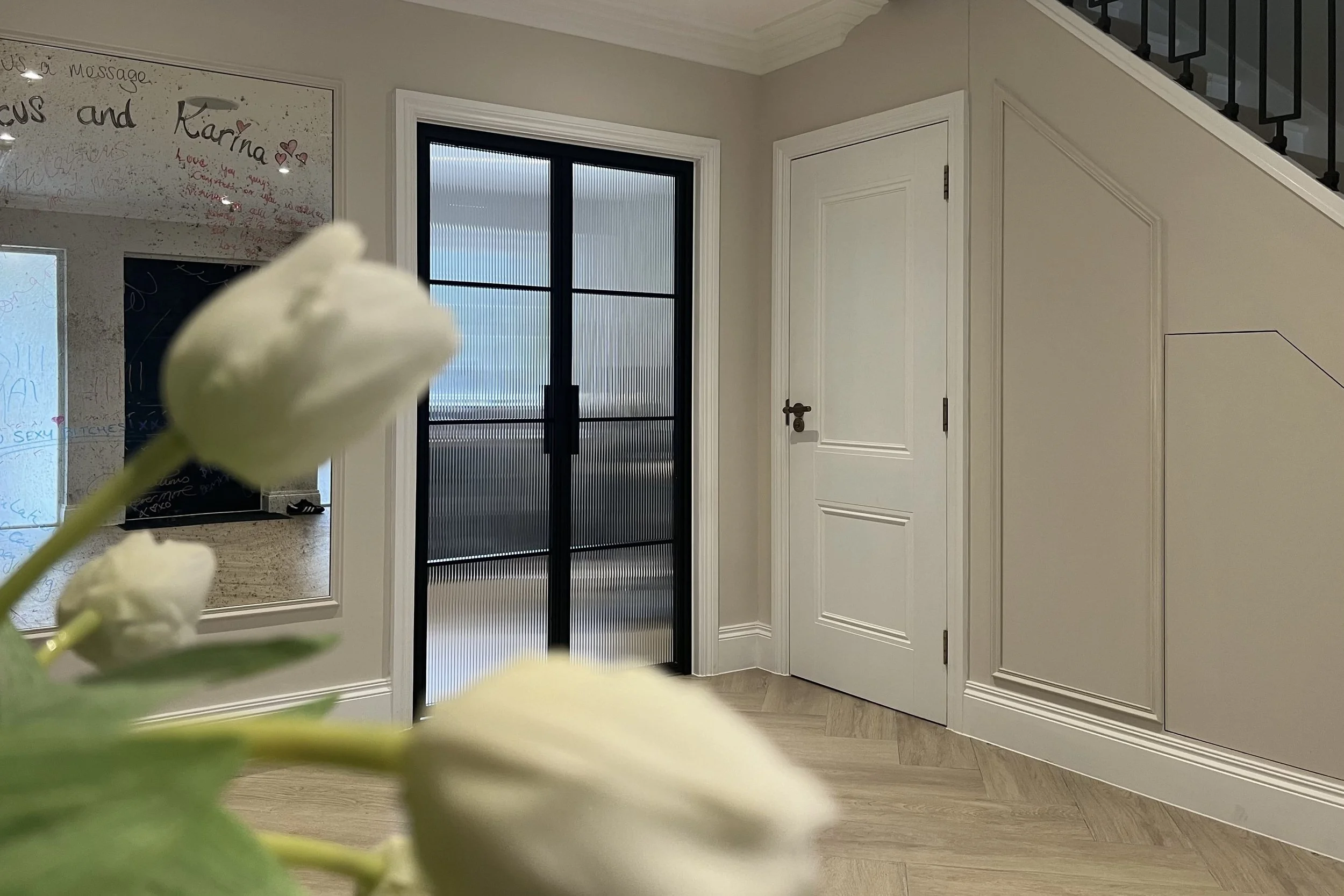
Misjudging Sightlines and Bar Layouts
This is one of the most overlooked but crucial aspects of internal glazed door design.
Steel doors are architectural elements, not simply functional panels. Bar layout should complement, not fight, the geometry of the room.
Common mistakes include:
Bars placed at eye level, blocking lines of sight
Overly busy grids making small spaces feel congested
Bars misaligned with windows, tiles or other doors
Asymmetry used unintentionally rather than purposefully
Bars positioned too low, cutting through furniture
Creating inconsistent layouts between multiple doors in the same sightline
What homeowners miss:
Bar layout influences:
balance
rhythm
perception of height
proportion
how light distributes
where the eye rests
A well-designed bar pattern feels intentional. A poor one feels noisy or visually heavy.
Overlooking Technical Details (Hinges, Handles, Operation, Thresholds)
The hardware is the experience, and cheaper systems feel cheap because their small details are compromised.
Hinges: One of the most misunderstood details
Our steel doors use welded 3D barrel hinges, engineered to support the true weight of steel and operate smoothly for decades.
Aluminium systems often rely on:
clip-on or screw-on hinges
ball-bearing hinges
mechanically fixed hinges
hinges that require re-adjustment over time
None match the longevity of welded steel hinges.
Handle placement & type
Clients often forget:
bar alignment affects handle position
oversized handles disrupt minimal designs
pocket doors require flush cup handles
fire-rated doors require lever-latch handles
secondary double doors can use shoot bolts instead of a second handle
Threshold considerations matter
Can the door operate without scraping flooring?
Is the floor level across the entire span?
Where should the door be positioned within the aperture?
These details can only be solved with proper planning.
Leaving Finish Selection Too Late
Finish selection shapes the character of the door and the room around it.
Your finish options include:
Any RAL powder coat
Premium powder coat finishes (able to emulate bronze, brass and gold finishes)
Living metallic finishes
Bronze
Dark bronze
Brushed brass
Satin brass
Stainless steel
Bespoke tones
Most common homeowner mistakes:
Choosing a black that clashes with other shades of black
Selecting a warm-toned finish in a cool-toned interior
Forgetting to coordinate with other hardware within their home
Choosing a light finish in a high-touch area
Selecting finishes without seeing samples in person
A finish is not just a colour, it is a design decision.
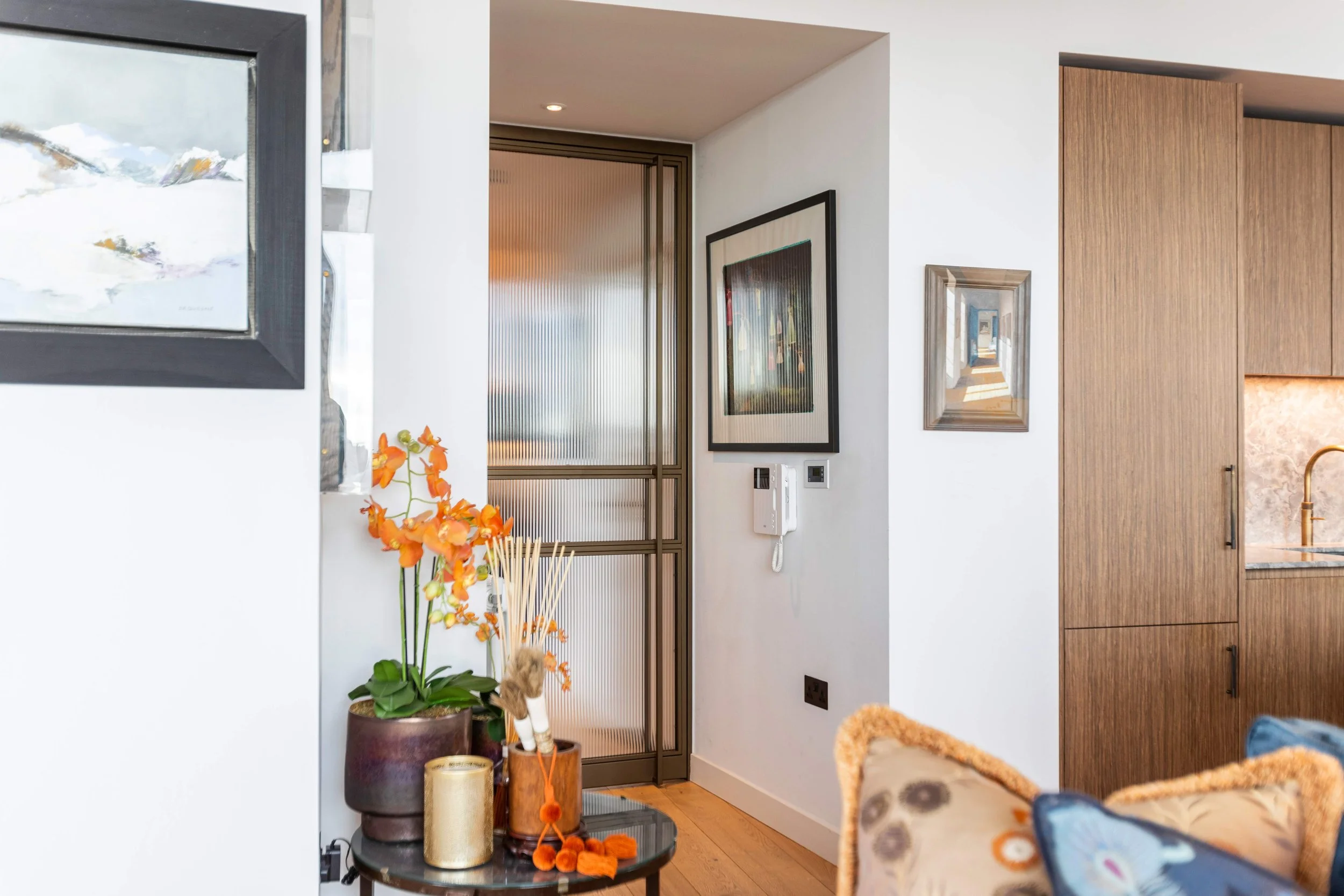
Not Considering Light Behaviour Throughout the Day
Light changes by the hour, and glazing plays a major role in how a space feels from morning to evening.
Mistakes include:
Using tinted glass in north-facing or other naturally low-lit rooms
Using reeded glass in low-light corridors
Choosing mirror glass opposite windows, causing glare
Selecting opaque glass anywhere an abundance of natural light must pass through
Steel doors amplify light when done correctly.
A poorly chosen glass can undermine that.
Thinking Installation Is Standard (It’s Not)
The difference between an excellent installation and a poor one is night and day.
Common installation-related issues we see (from other suppliers):
doors dropped or misaligned
rattling glass due to improper gasket seating
frames packed incorrectly, causing twists
chipped powder coating
thresholds misaligned
uneven gaps
poor finishing, i.e. caulk, silicone or trimming incorrectly
noncompliant fire door installations
Steel doors are heavy, precise and engineered systems and must be installed accordingly.
Not Understanding Long-Term Maintenance
Steel doors require very little upkeep, but not zero upkeep.
Mistakes homeowners make:
Using rough scourers on powder coating
Using ammonia-based glass cleaners
Leaving water droplets on metallic finishes
Not cleaning bars
Ignoring rubber seals
A few minutes of care every few months keeps doors looking perfect for decades.
Choosing Without Ever Seeing a Real Door
No photo can communicate:
the weight
the feel
the smooth hinge movement
the quality of the welds
the stability
the tactile presence
the light behaviour
the clarity of real steel vs aluminium
Every homeowner who visits your showroom says the same thing:
“They have a real weight to them.”
Conclusion
Internal glazed doors have the power to reshape the feel and function of a home but only when chosen with care, clarity and proper technical understanding.
By avoiding these common mistakes, homeowners can ensure their investment performs beautifully for decades, enhances natural light, improves flow and elevates the home’s overall character.
A steel door is more than a door, it is an architectural upgrade.
Treating the decision with intention makes all the difference.
Need guidance?
Enquire today to discuss your next project:
Submit an enquiry or call our team for a tailored consultation.
Let’s Talk
Whether you're renovating a home, specifying for a new build, or delivering a luxury interior for a client — we’re here to help.
At Joshua James, we work with architects, interior designers, homeowners and contractors across the UK to design and supply bespoke steel internal doors. Every door is crafted to exacting standards, tailored to suit each project’s vision, and built to stand the test of time.
If you're ready to elevate your next project with precision-made steel framed doors, let’s talk.