How Much Do Steel Internal Doors Cost in the UK? What Really Affects the Price
Steel internal doors are now a familiar feature in luxury homes across the UK. As their popularity has grown, so too has the range of systems, finishes and configurations available. With that comes one of the most common questions asked by homeowners, interior designers and developers alike:
How much do steel internal doors actually cost in the UK?
It’s a fair question, but one that rarely has a simple answer. Steel internal doors are not an off-the-shelf product. Their cost is shaped by design intent, fabrication method, glass specification, finish, compliance requirements and site conditions. Two doors that look similar in photographs can differ significantly in quality, longevity and performance.
This guide explains what genuinely affects the cost of steel internal doors in the UK and how to assess value rather than relying on headline figures.
Why There Is No Fixed Price for Steel Internal Doors
Unlike standard timber doors, steel internal doors are almost always made to suit a specific opening and design brief. UK homes vary widely in proportions, ceiling heights and construction, particularly in renovation projects. As a result, steel doors are rarely truly standard.
Pricing therefore reflects a series of interrelated decisions rather than a simple price list. Understanding these decisions allows you to judge whether a quote represents quality and suitability for your project rather than simply comparing numbers.
Door Configuration and Overall Size
One of the most immediate influences on cost is configuration.
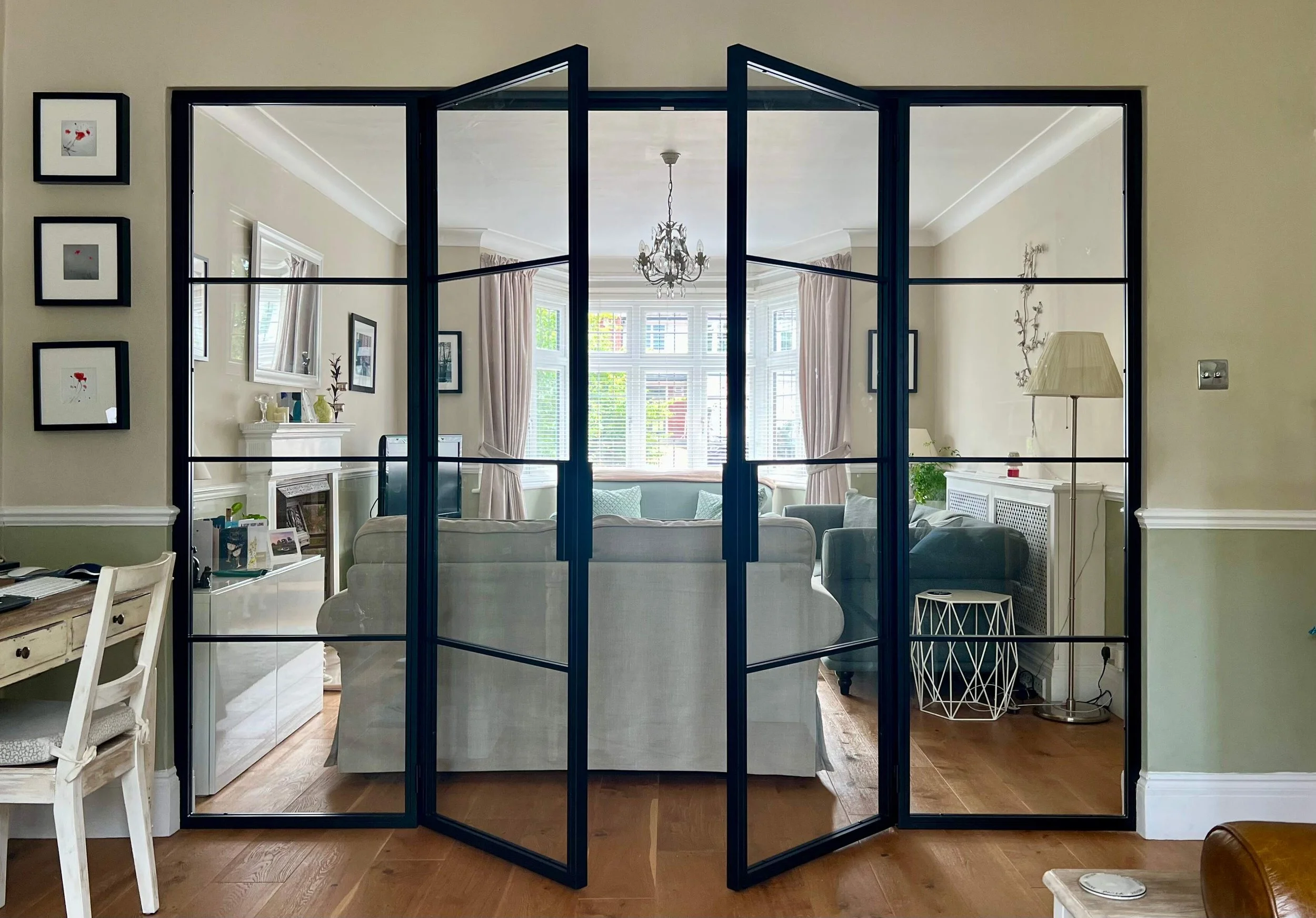
A single hinged door is fundamentally different from a double door set, a sliding system or a larger arrangement incorporating fixed side screens or corner glazing. Each additional element increases material use, fabrication time and installation complexity.
In many UK homes, single doors are used to subtly divide spaces such as entrance halls, kitchens and home offices. Where a stronger architectural statement is required, larger openings often benefit from steel single doors for refined internal openings or bespoke double steel door configurations that frame views and anchor the layout.
Door height and width also play a role. Taller and wider doors require careful engineering to maintain slim sightlines and smooth operation, which is reflected in both design and fabrication cost.
Fabrication Method and Structural Integrity
A significant cost difference between steel internal doors lies in how they are fabricated.
True steel doors are formed from steel sections that are cut, welded and finished as a unified structure. Welded fabrication creates clean junctions, minimal visible joints and long-term stability. This process is time-intensive and requires skill, which is reflected in pricing.
Some systems marketed as steel doors rely on mechanical fixings or mixed materials. While these may appear similar initially, they often involve compromises in rigidity, alignment and tactile quality. Over time, these compromises can become apparent through movement, wear or visible joints.
Welded steel doors typically cost more to produce, but they retain their integrity over decades, which is why they are favoured in luxury residential projects.
Glass Specification and Performance
Glass choice plays a major role in both the appearance and cost of steel internal doors.
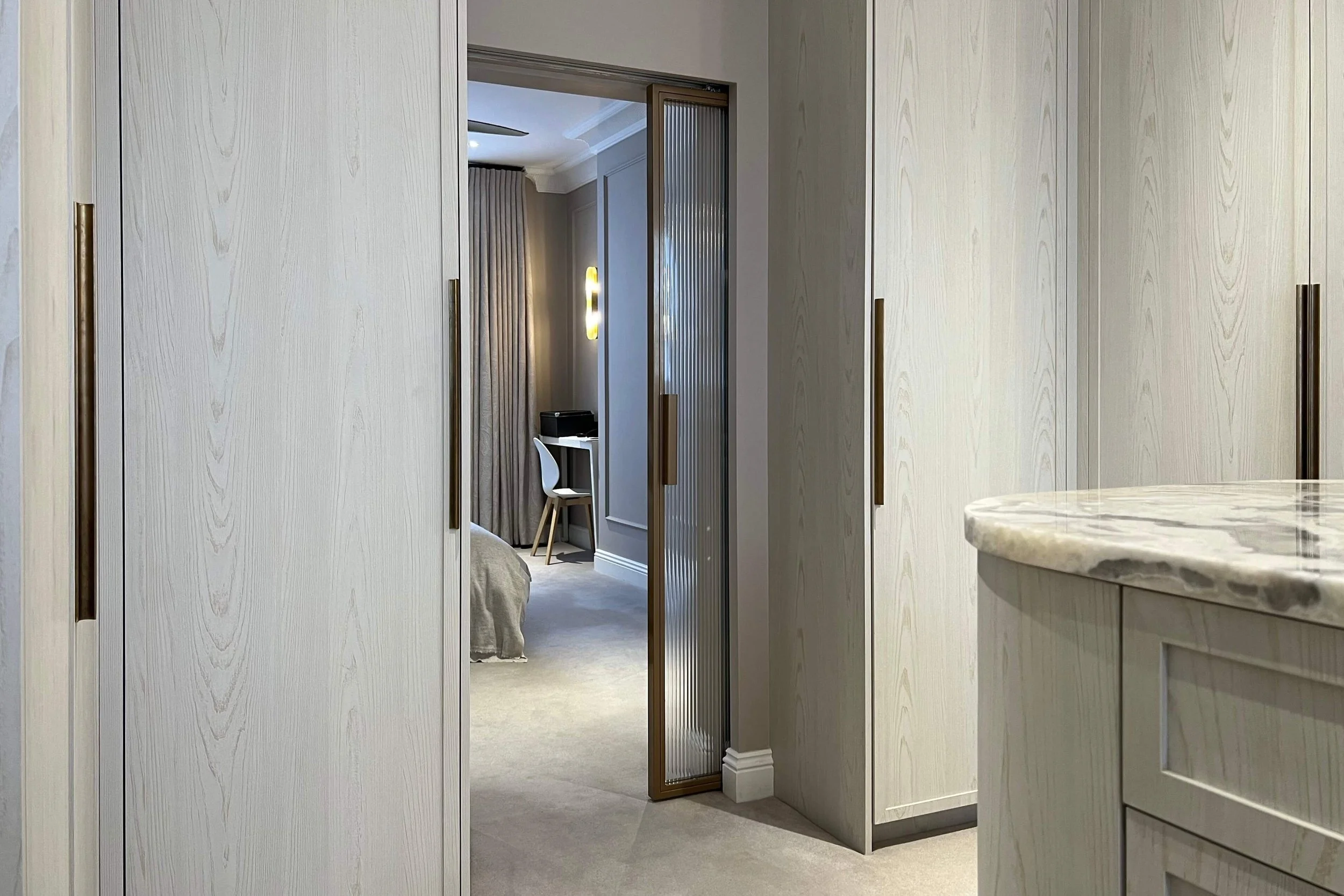
Standard toughened glass is often used as a baseline, but many UK clients specify alternative glazing depending on privacy, light control or aesthetic preference. These options can include reeded glass, laminated glass, mirrored finishes or the use of different glass types within a single door or screen.
Thicker or laminated glass often requires the door system to be adapted to accommodate additional depth and weight. This adds complexity to fabrication but allows the door to be designed around the client’s vision rather than constrained by a fixed system.
In homes where light management is critical, carefully chosen glazing can transform how spaces feel without altering the layout.
Finish and Surface Treatment
Finish selection is another area where costs can vary considerably.
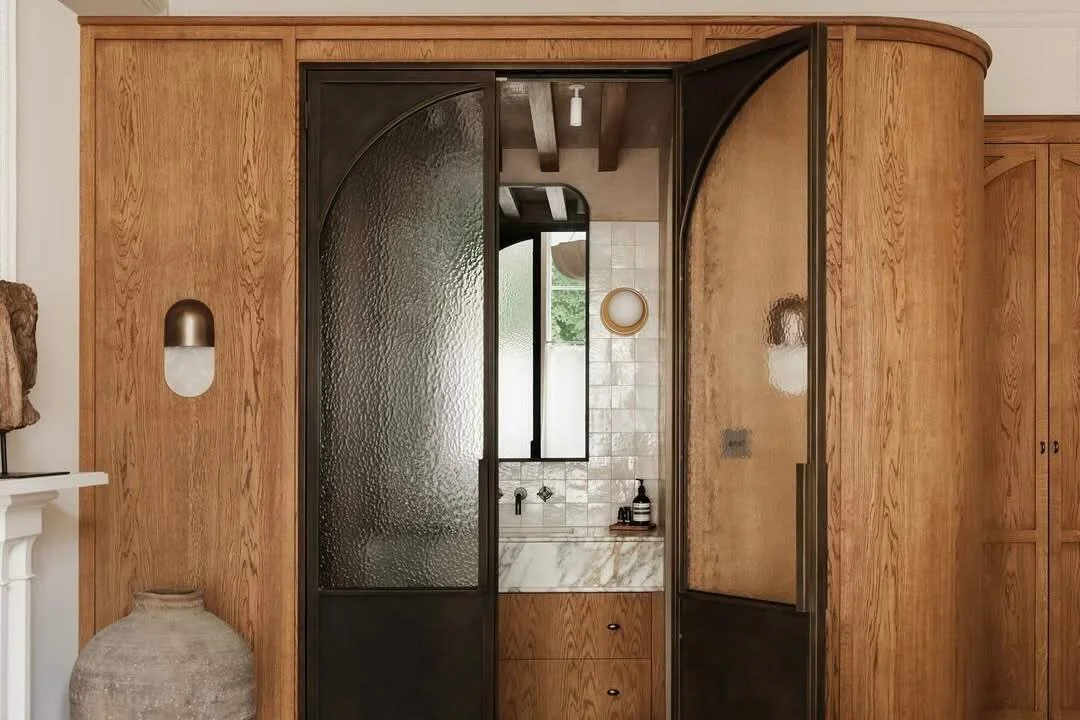
A standard powder-coated finish is durable, consistent and suitable for most interiors. However, many projects call for non-standard finishes to complement surrounding materials or create a focal point.
Specialist finishes often involve additional preparation, multiple stages of application and more rigorous quality control. While this increases cost, it allows steel doors to integrate seamlessly into high-end interiors where detail and cohesion are critical.
Fire-Rated Steel Internal Doors and Compliance
Fire rating is one of the most significant cost drivers and an essential consideration in many UK projects.
Depending on layout, storey height and building control requirements, internal doors may need to provide a specified level of fire resistance. Steel doors can be engineered to meet these requirements while maintaining slim profiles, but this involves tested assemblies, approved glazing and compliant hardware.
Fire-rated steel doors inevitably cost more than non-fire-rated equivalents, but they allow designers to meet regulatory requirements without resorting to visually heavy alternatives. For many projects, fire-rated steel doors for UK homes offer the best balance between safety and design.
Hardware, Hinges and Operation
Hardware plays a critical role in how a steel door feels and performs.
High-quality steel doors require hinges, handles and locking mechanisms that are appropriate for their weight and construction. Smooth operation, longevity and tactile quality depend on these components being carefully selected and properly integrated.
Bespoke hardware may increase cost, but it also contributes to the door feeling intentional and refined, particularly in high-use areas of the home.
Installation Conditions and Site Complexity
Installation is often overlooked when discussing cost, yet it can significantly affect overall investment.
UK homes present a wide range of site conditions, from period properties with uneven walls and floors to new builds with tight tolerances. Access, structural conditions and coordination with other trades all influence installation complexity.
Well-designed steel door systems consider these factors early, reducing the risk of adjustments or delays later in the project.
Supporting Layouts and Dividing Space
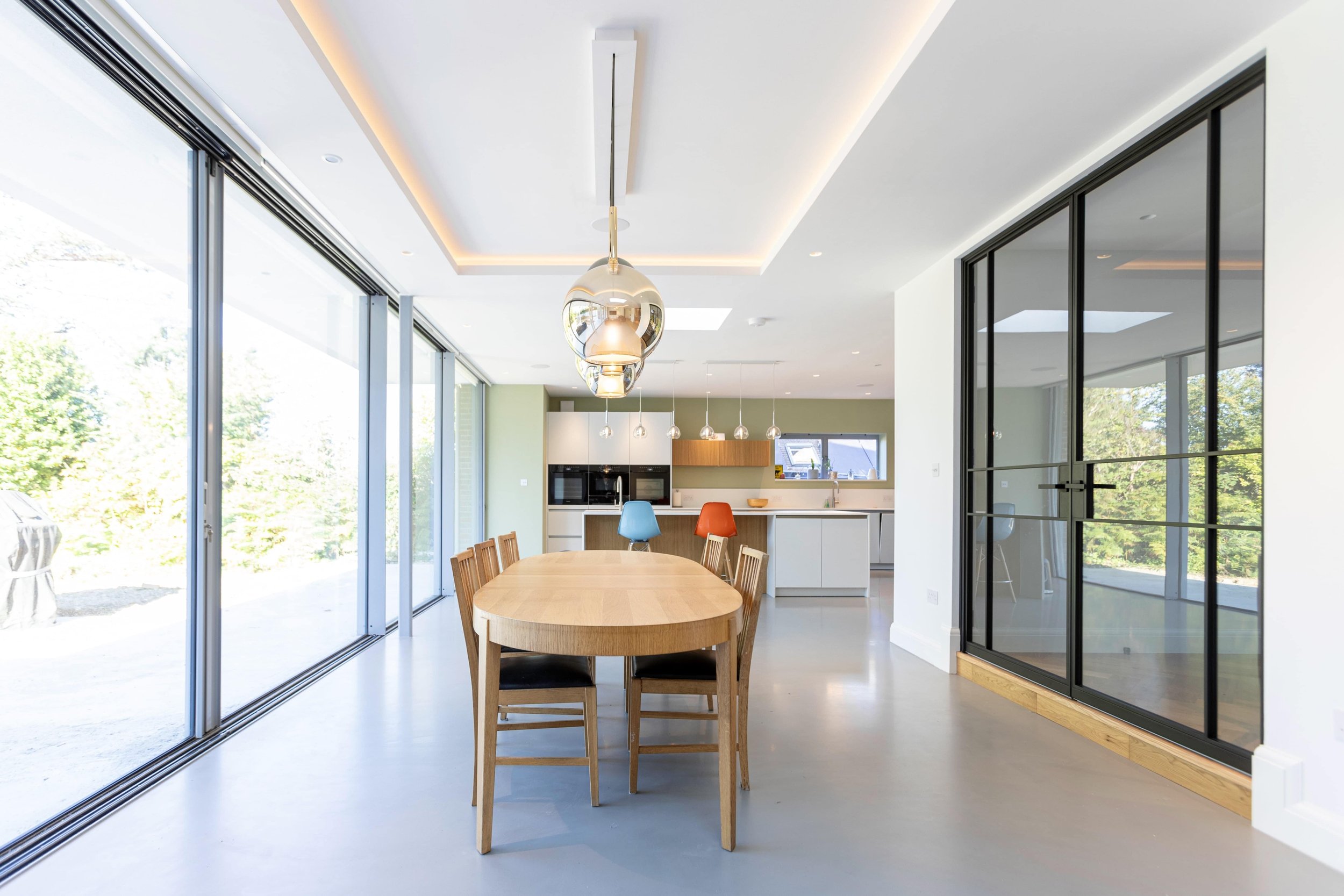
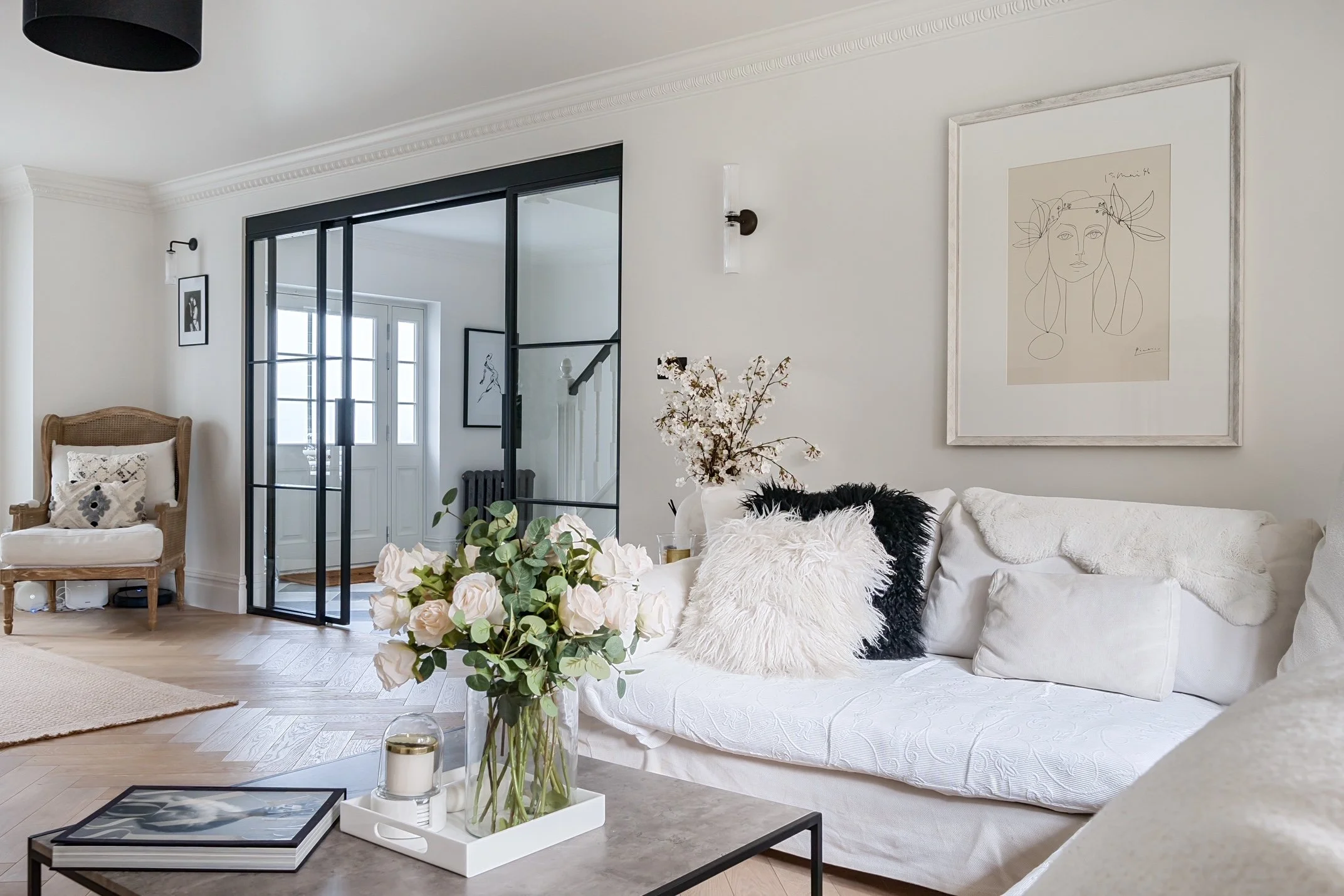
Steel internal doors are frequently used alongside fixed glazing to create flexible layouts that balance openness and definition. In larger or open-plan homes, steel and glass room dividers can structure space while preserving light and visual connection.
Where wall space is limited or a more fluid transition is required, sliding steel door systems for flexible layouts offer practical and aesthetic advantages.
Cost Versus Value in Luxury Homes
Rather than focusing solely on cost, it is more useful to consider value.
In luxury UK homes, steel internal doors are often chosen because they replace multiple lesser elements with a single architectural feature. They improve light flow without structural changes, age better than many alternatives and enhance the perceived quality of a property.
Viewed within the context of a full renovation or new build, steel internal doors often represent a relatively small proportion of overall spend while having a significant impact on how a home feels and functions.
Conclusion
Steel internal doors in the UK do not have a fixed price because they are not a fixed product. Their cost reflects decisions around design, fabrication, glazing, finish and compliance.
By understanding what genuinely affects pricing, homeowners, designers and developers can make informed decisions based on quality and long-term value rather than headline figures alone.
When specified correctly, steel internal doors offer architectural clarity, durability and refinement that few alternatives can match. If you’re considering steel doors as part of a renovation or new build, speak to our team about your project to explore what is possible.Steel internal doors have become a defining feature of high-end interiors across the UK. Once reserved for converted industrial spaces and architectural showpieces, they are now a considered and increasingly standard specification in luxury homes, developer-led schemes and architect-designed renovations.
Their rise has not been driven by trend alone. Steel internal doors offer a unique combination of visual clarity, structural integrity and long-term performance that aligns naturally with the expectations of today’s premium residential market.
This guide is written for homeowners, interior designers, architects and developers looking to understand how steel internal doors are specified, used and integrated within UK homes. It focuses on real-world considerations rather than hype, helping you assess whether steel doors are right for your project and how to approach them intelligently.
Let’s Talk
Whether you're renovating a home, specifying for a new build, or delivering a luxury interior for a client — we’re here to help.
At Joshua James, we work with architects, interior designers, homeowners and contractors across the UK to design and supply bespoke steel internal doors. Every door is crafted to exacting standards, tailored to suit each project’s vision, and built to stand the test of time.
If you're ready to elevate your next project with precision-made steel framed doors, let’s talk.